A Common Medication, an Uncommon Danger
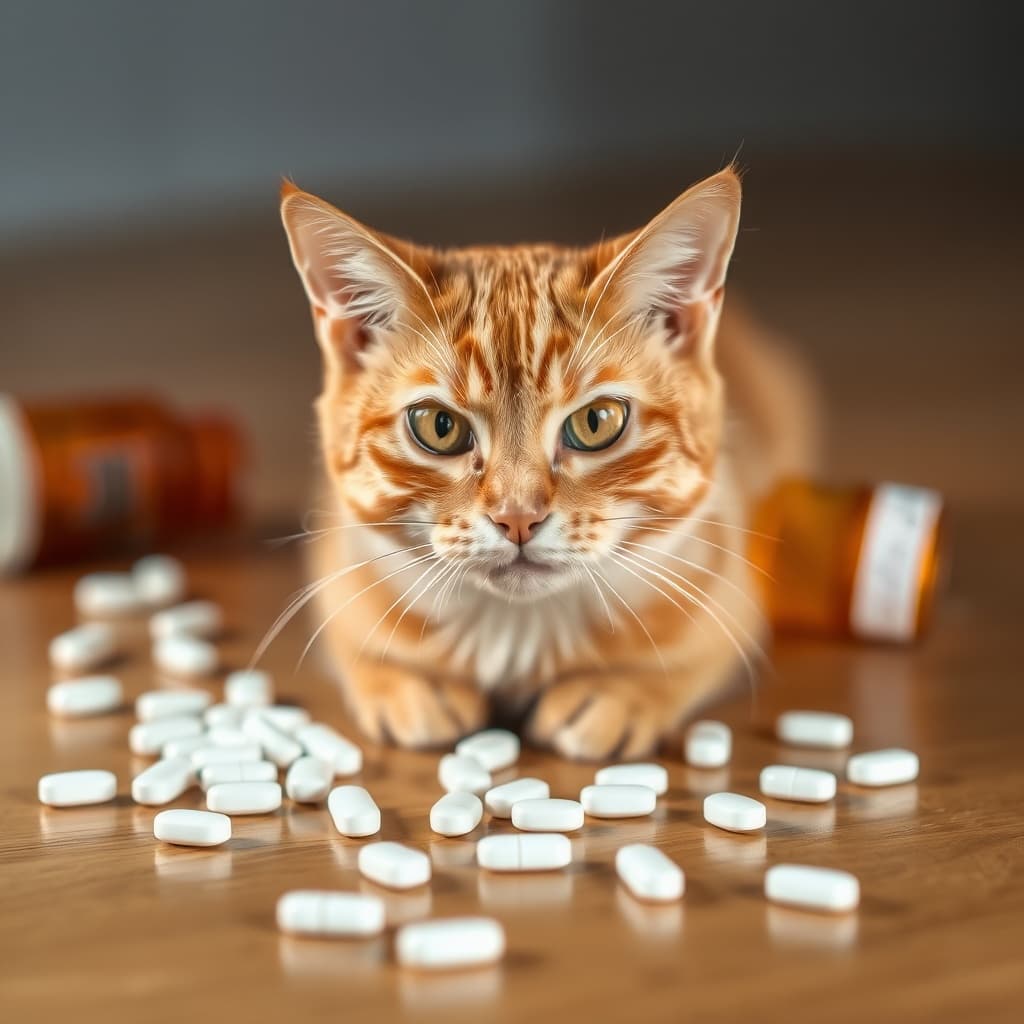
Your medicine cabinet likely contains acetaminophen (paracetamol) - one of the most widely used pain relievers and fever reducers in the world. For humans, it's generally safe and effective. But for cats? A single tablet can be fatal.
This isn't an exaggeration. According to a comprehensive 2021 Brazilian study published in Arquivo Brasileiro de Medicina Veterinária e Zootecnia, acetaminophen ranks among the most common causes of poisoning in domestic cats from human medications. Researchers analyzed 543 cases of feline poisoning and found that human drugs pose a significant threat to our feline companions.
Why Acetaminophen is Deadly for Cats
The danger lies in feline biology. Cats lack the essential liver enzymes needed to metabolize acetaminophen safely. While humans and even dogs can process this medication relatively efficiently, cats cannot.
The Metabolic Difference
When you take acetaminophen, your liver uses specific enzymes (particularly glucuronyl transferase) to break it down into harmless compounds that are easily eliminated from your body. Cats have a severe deficiency in these crucial enzymes, meaning acetaminophen accumulates in their system and converts into toxic metabolites.
What Happens in a Cat's Body?
Methemoglobinemia: Red blood cells lose their ability to carry oxygen effectively
Heinz body formation: Structural damage to red blood cells occurs
Hepatotoxicity: Toxic metabolites damage liver cells
Hemolysis: Red blood cells begin to break down
Oxidative stress: Cellular damage spreads throughout the body
Recognizing the Signs of Acetaminophen Poisoning
Early recognition can mean the difference between life and death. Watch for these warning signs:
Initial Phase (0-4 hours):
Vomiting and nausea
Loss of appetite
Lethargy and weakness
Difficulty breathing
Drooling
Progressive Phase (4-12 hours):
Brown or blue-tinged gums and tongue - this is a critical sign!
Dark brown or chocolate-colored urine
Facial and paw swelling
Pale or yellow mucous membranes
Rapid heart rate
Advanced Phase (12-72 hours):
Severe liver damage
Jaundice (yellowing of eyes and gums)
Collapse
Coma
Death
Emergency Response: What to Do
Time is critical. If you suspect acetaminophen poisoning, contact your veterinarian or emergency animal hospital immediately.
Immediate Steps:
Don't induce vomiting unless specifically instructed by a veterinarian
Remove any remaining medication from your cat's reach
Stay calm - your anxiety can stress your cat further
Gather information for the veterinarian:
How much acetaminophen was ingested?
What was the time of ingestion?
Your cat's weight
Current symptoms observed
Professional Treatment
Veterinary treatment may include:
N-acetylcysteine (NAC): The primary antidote that helps the liver process toxins
Oxygen therapy: For breathing difficulties and methemoglobinemia
Intravenous fluids: To support kidney function and toxin elimination
Supportive care: Including anti-nausea medications and liver protectants
Blood transfusions: In severe cases with significant red blood cell damage
Prevention: Your Cat's Best Protection
Medication Safety
Never give human medications to cats without veterinary approval
Secure all medications in closed cabinets or containers
Check floors regularly for dropped pills
Educate family members and guests about the dangers
Consider child-proof locks on medicine cabinets
Safe Pain Management for Cats
If your cat is experiencing pain:
Consult your veterinarian for appropriate feline pain medications
Prescription options include gabapentin, buprenorphine, and specific NSAIDs designed for cats
Never assume that human medications are safe alternatives
Understanding the Numbers
The toxic dose of acetaminophen for cats is shockingly low:
10-40 mg/kg can cause toxicity
50-100 mg/kg is often fatal
A standard 500mg tablet can kill a 10-pound cat
Even children's formulations contain dangerous amounts
Common Myths Debunked
Myth: "A small piece won't hurt." Reality: Even fractional doses can be toxic due to cats' inability to metabolize the drug.
Myth: "If it works for dogs, it's safe for cats." Reality: Dogs metabolize acetaminophen much better than cats, though it's still not recommended.
Myth: "Liquid formulations are safer." Reality: The active ingredient remains the same and equally dangerous.
The Broader Context of Feline Poisoning
The Brazilian study revealed that human medications represent a significant portion of feline poisoning cases, alongside:
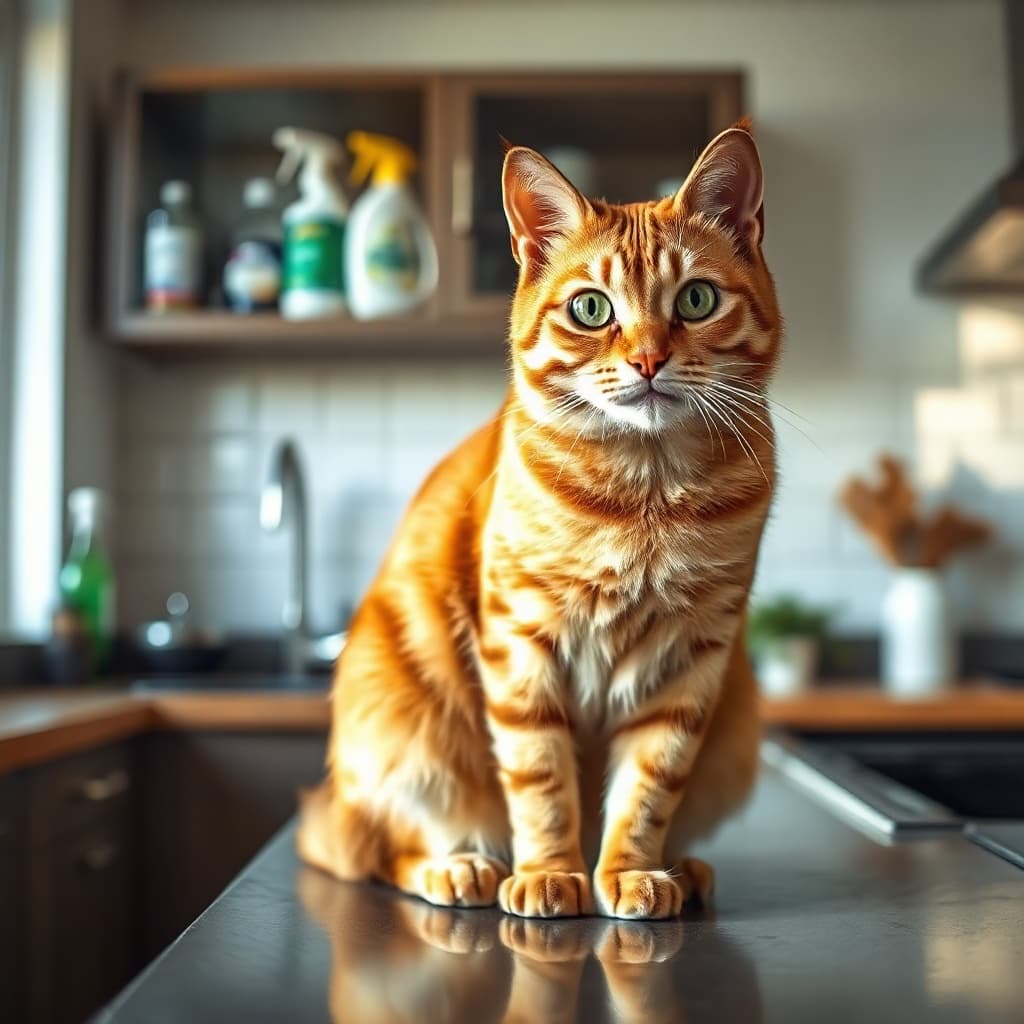
Household cleaning products
Pesticides
Toxic plants
Veterinary drug overdoses
This data underscores the importance of pet-proofing your entire home, not just securing medications.
Building a Cat-Safe Environment
Essential Steps:
Audit your home for potential toxins
Create designated storage for all medications
Establish routines for medication disposal
Keep emergency contacts readily available
Consider pet insurance to cover emergency treatments
When to Seek Immediate Help
Contact your veterinarian immediately if:
You witness your cat ingesting acetaminophen
Your cat shows any concerning symptoms after potential exposure
You find evidence of medication tampering or missing pills
You're uncertain about any aspect of your cat's health
Conclusion: Prevention Saves Lives
Acetaminophen poisoning in cats is entirely preventable, yet it remains a common and often fatal occurrence. The tragedy lies not in the medication itself, but in the lack of awareness about its dangers.
Your vigilance is your cat's lifeline. By understanding the risks, recognizing the symptoms, and maintaining a safe environment, you can protect your feline companion from this silent killer.
Remember: when it comes to your cat's health, it's always better to be overly cautious than to face a preventable tragedy. Your medicine cabinet might seem harmless, but for your cat, it could contain a deadly threat.
Stay informed, stay prepared, and keep your furry family member safe.
Reference: Jardim, M.P.B., Farias, L., Cid, G.C., et al. (2021). Poisoning in domestic cats in Brazil: toxicants, clinical signs, and therapeutic approaches. Arquivo Brasileiro de Medicina Veterinária e Zootecnia. https://doi.org/10.1590/1678-4162-11856