When Cleaning Becomes Deadly for Cats
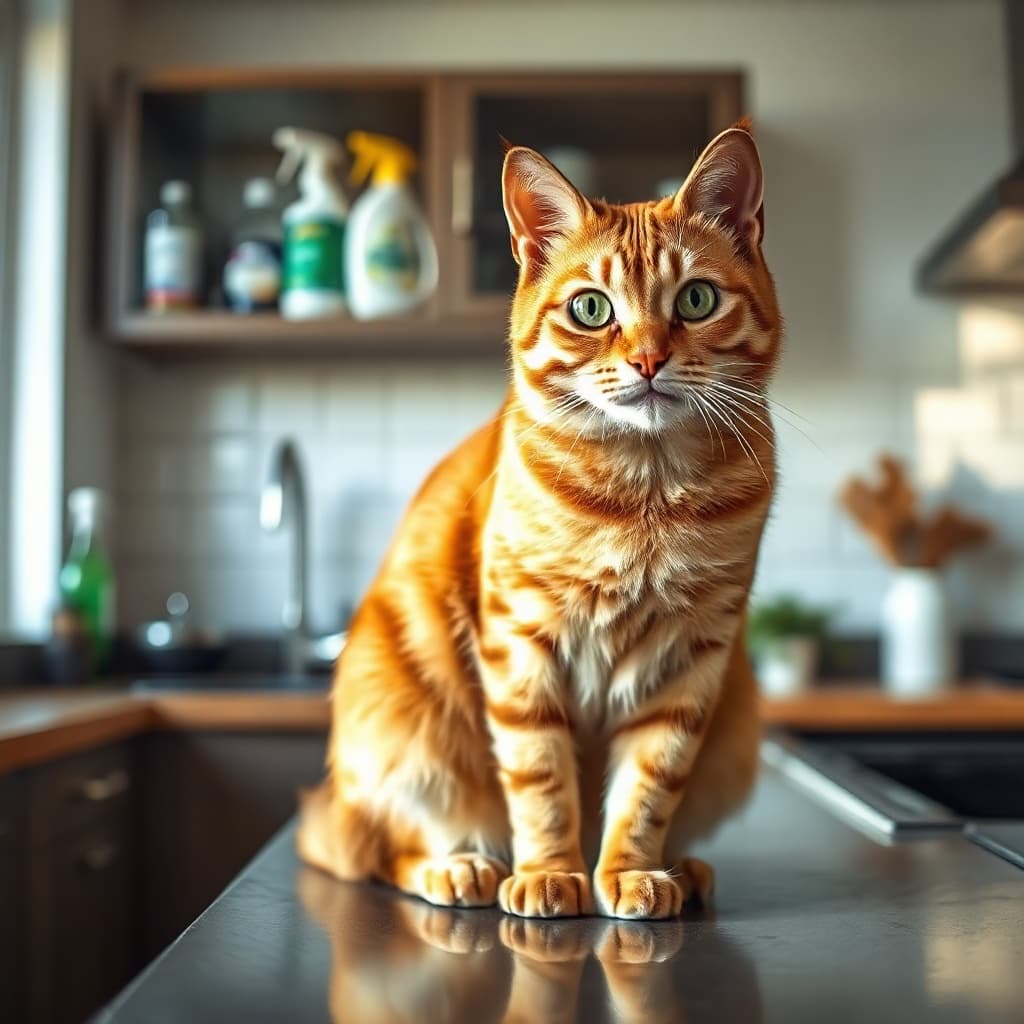
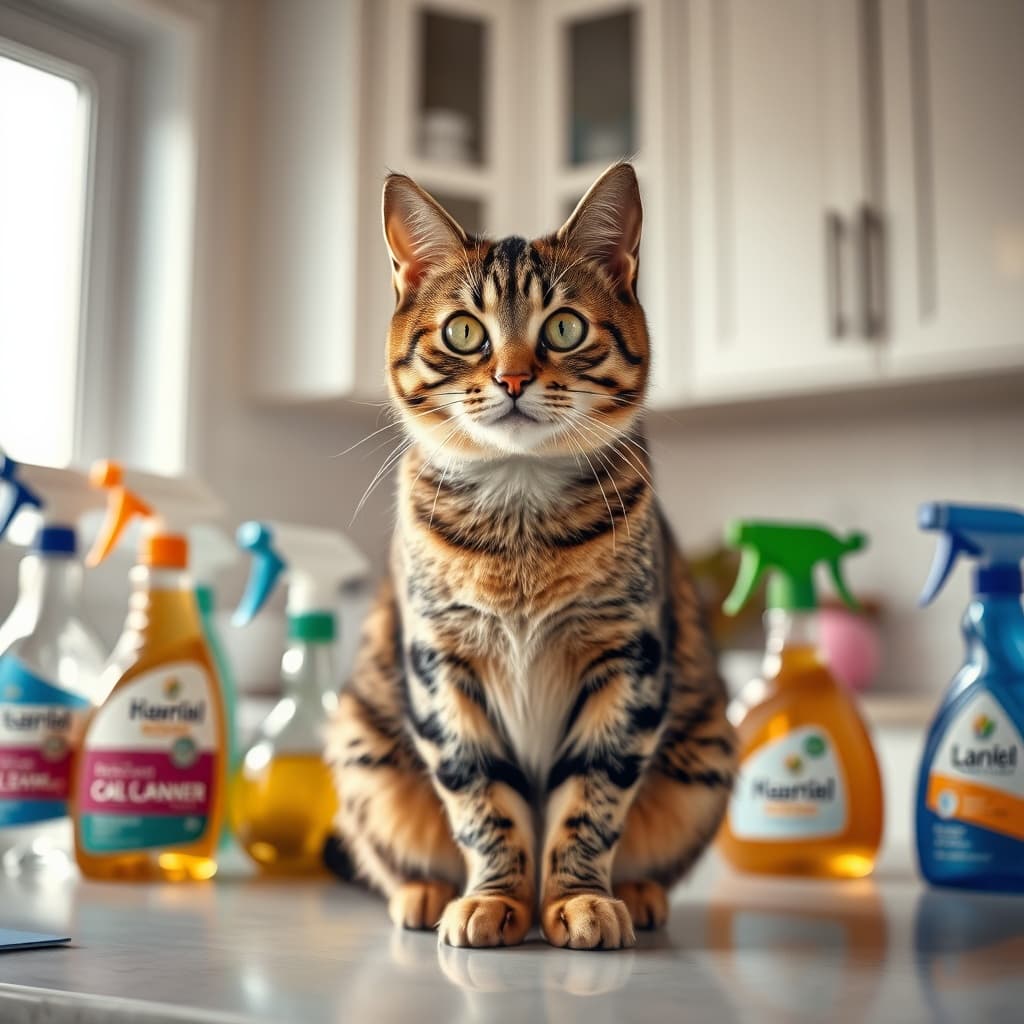
What if I told you that the greatest threat to your cat's health isn't lurking outside your home, but sitting right in your cleaning cupboard? Recent veterinary research reveals that household cleaning products are among the leading causes of cat poisoning - a sobering reality that every cat owner needs to understand.
A comprehensive Brazilian study published in a prestigious veterinary journal analyzed 543 cases of domestic cat poisoning, uncovering alarming patterns that highlight just how vulnerable our feline companions are to everyday household chemicals.
The Science Behind Feline Poisoning
The research conducted by veterinary scientists revealed that pesticides and household cleaning supplies rank among the most common causes of cat poisoning. What makes this data particularly concerning is how preventable these incidents are.
Cats are uniquely susceptible to chemical toxicity due to their limited ability to metabolize many common compounds. Unlike dogs and humans, cats lack certain liver enzymes necessary to break down various chemicals efficiently, leading to toxic accumulation in their systems.
The most dangerous household cleaners for cats include:
Disinfectants containing phenols or pine oils
Toilet bowl and bathroom cleaners
Floor cleaners and furniture polish
Laundry detergents and fabric softeners
Glass cleaners with ammonia
Bleach-based products
How Cats Get Poisoned by Cleaning Products
Direct Ingestion
Cats may directly consume cleaning products left unattended. Even small amounts can prove fatal due to their concentrated nature and cats' sensitivity to chemical compounds.
Surface Contact
When cats walk across freshly cleaned surfaces, residual chemicals adhere to their paws and fur. During grooming - a natural behavior cats perform multiple times daily - these toxins enter their digestive system.
Inhalation Exposure
Strong chemical fumes can damage cats' sensitive respiratory systems. Cats are particularly vulnerable to airborne toxins due to their smaller body size and faster respiratory rate.
Secondary Contamination
Cats can be poisoned through contaminated food bowls, water dishes, or toys that have come into contact with cleaning products.
Recognizing the Warning Signs
The study identified several clinical signs that cat owners should watch for. Early recognition can be life-saving, as prompt veterinary intervention significantly improves outcomes.
Immediate symptoms include:
Vomiting and diarrhea
Excessive drooling
Difficulty breathing
Lethargy and weakness
Loss of coordination
Oral irritation or burns
Severe symptoms requiring emergency care:
Seizures or tremors
Blue or yellow mucous membranes
Extreme weakness or collapse
Loss of consciousness
Hypothermia (low body temperature)
Acute respiratory distress
If you observe any of these symptoms, contact your veterinarian immediately. Time is critical in poisoning cases.
Evidence-Based Prevention Strategies
Safe Storage Protocols
Secure all cleaning products in locked cabinets with childproof latches. Cats are skilled climbers and can access surprisingly high shelves.
Cleaning Safety Procedures
Always ensure complete surface drying before allowing cats back into cleaned areas
Provide adequate ventilation during and after cleaning
Remove cats from areas being cleaned until products have dried and fumes dissipated
Cat-Safe Cleaning Alternatives
Based on veterinary recommendations, consider these safer options:
Natural cleaning solutions:
White vinegar and water (1:1 ratio) for glass and mirrors
Baking soda for odor removal and gentle abrasion
Castile soap for general cleaning
Enzymatic cleaners specifically designed for pet households
Commercial pet-safe products:
Look for cleaners labeled "pet-safe" or "non-toxic"
Choose products free from phenols, glycol ethers, and formaldehyde
Opt for plant-based or biodegradable formulations
Emergency Response Protocol
If you suspect your cat has been exposed to cleaning chemicals:
Remain calm and act quickly - contact your veterinarian or pet poison control immediately
Identify the product if possible and bring the container to the vet
Do not induce vomiting unless specifically instructed by a veterinary professional
Remove any residual product from your cat's fur with lukewarm water if safe to do so
Provide fresh water if your cat is conscious and able to drink
The Broader Implications
This research underscores a critical point: many pet poisoning cases are entirely preventable through proper precautions and awareness. The study's findings align with similar research worldwide, confirming that household toxins pose a significant threat to companion animals.
Creating a cat-safe environment doesn't require sacrificing cleanliness - it simply demands mindfulness about product selection and usage protocols.
Moving Forward: A Safer Home Environment
Your cat depends on you to create a safe living environment. By implementing these evidence-based strategies, you can maintain a clean home while protecting your feline companion from potentially fatal exposure to household chemicals.
Remember: prevention is always preferable to treatment. The small effort required to secure cleaning products and choose safer alternatives pales in comparison to the emotional and financial costs of treating a poisoned cat.
Share this information with fellow cat owners - together, we can reduce the incidence of preventable poisoning cases and keep our feline friends healthy and safe.
This article is based on peer-reviewed research: Jardim, M.P.B. et al. (2021). Poisoning in domestic cats in Brazil: toxicants, clinical signs, and therapeutic approaches. Arquivo Brasileiro de Medicina Veterinária e Zootecnia. DOI: 10.1590/1678-4162-11856