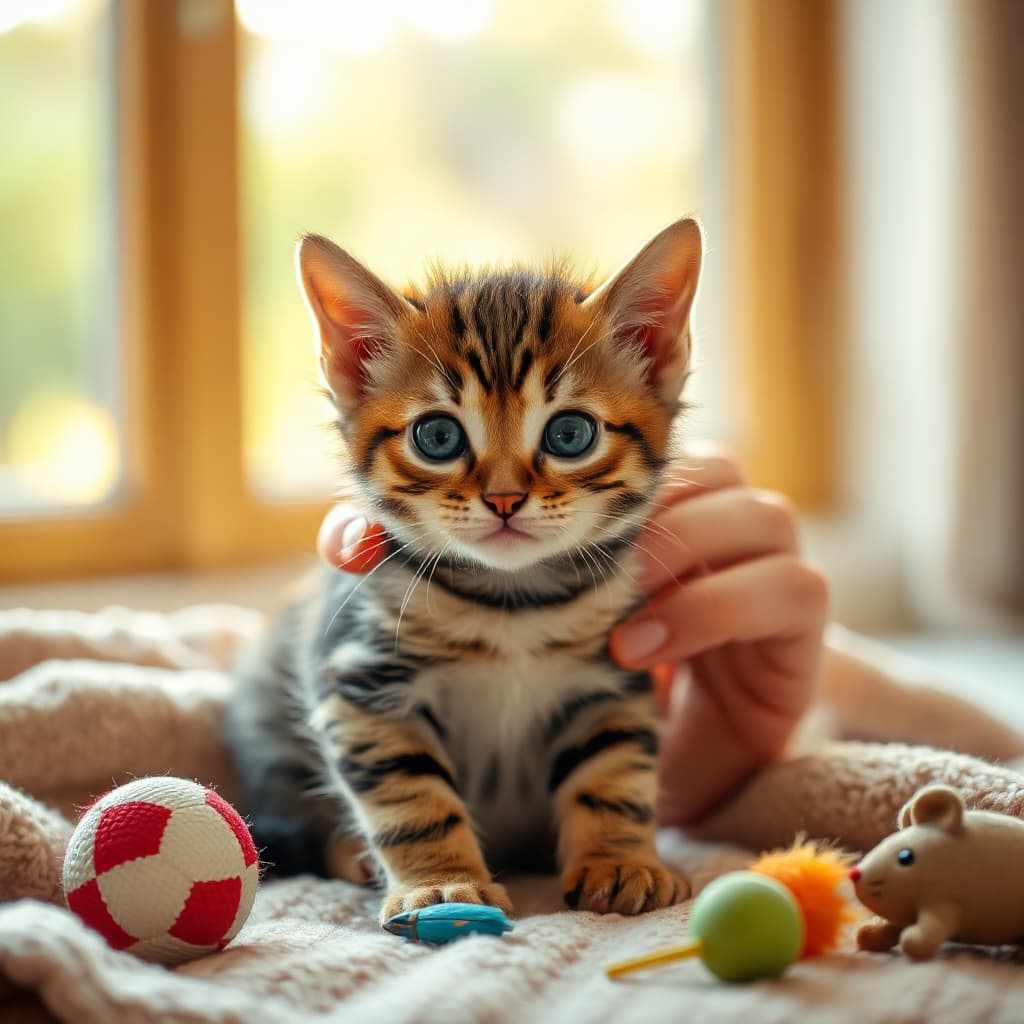
Kitten Development in Early Months: Science-Based Guide for Owners
The moment you welcome a tiny kitten into your home, you're embarking on one of nature's most remarkable journeys. Those first few months aren't just adorable – they're absolutely critical for shaping your kitten's health, personality, and lifelong bond with you. As someone who's witnessed countless kittens grow into magnificent cats, I can tell you that understanding this developmental process is the key to raising a happy, healthy feline companion.
The Vulnerable Beginning: First Days of Life
Kittens enter the world in a state of complete helplessness. Born blind, deaf, and utterly dependent on their mother, these tiny creatures rely solely on their senses of smell and touch to navigate their new world. Their primary mission? Finding mom's nipples for that life-sustaining milk.
During this critical period, temperature regulation is paramount. Kittens cannot control their body temperature independently, making maternal warmth or artificial heat sources essential for survival.
Fascinating fact: Newborn kittens spend approximately 90% of their first week sleeping and the remaining 10% nursing!
Developmental Milestones: Week by Week
Understanding the timeline of kitten development helps you provide appropriate care and recognize potential concerns early.
Week 1: The Foundation
Weight: 3-4 ounces (85-115 grams)
Eyes and ears remain sealed
Umbilical cord detaches
Reflexive behaviors dominate (seeking warmth and food)
Complete dependency on mother
Week 2: Awakening Senses
Eyes begin to open (all kittens have blue eyes initially)
Hearing starts to develop
First attempts at lifting their heads
Weight doubles from birth
Week 3-4: Mobile Explorers
First wobbly steps and walking attempts
Introduction to the litter box
Initial play behavior with littermates
Socialization period begins
Baby teeth start erupting
Week 5-8: Growing Independence
Weaning from mother's milk begins
Learning hunting behaviors through play
Personality traits emerge
Ideal adoption age (8 weeks minimum)
Full mobility and coordination develop
The Critical Socialization Window
Scientific research emphasizes that the socialization period (weeks 2-7) fundamentally shapes a cat's future behavior and adaptability. During this crucial window, kittens learn:
Human interaction skills – How to communicate with and trust people
Stress management – Coping mechanisms for new situations
Safety assessment – Distinguishing between safe and dangerous stimuli
Social hierarchies – Understanding their place in family dynamics
Kittens with limited human contact during this period may develop into more fearful, less social adult cats. Conversely, well-socialized kittens typically become confident, affectionate companions.
Nutritional Needs: Fueling Growth
Mother's Milk Phase (0-4 weeks)
Maternal milk is irreplaceable, providing essential antibodies that protect against infections. The colostrum received in the first 24 hours is particularly crucial for immune system development.
For orphaned kittens, specialized kitten milk replacer must be provided every 2-3 hours, including overnight feedings.
Transition Period (4-8 weeks)
Gradual introduction of solid food begins around week 4:
High-quality kitten kibble softened with warm water
Specialized kitten wet food
Continued nursing with gradual reduction
Multiple small meals throughout the day
Independent Feeding (8+ weeks)
By 8 weeks, kittens should consume:
3-4 meals daily of kitten-specific food
High-protein, high-calorie formulations
Fresh water available constantly
Portion sizes appropriate for rapid growth
Health Considerations and Risk Management
Veterinary studies identify several health risks common during the first months:
Primary Health Concerns
Parasites: Internal worms and external fleas
Upper respiratory infections: Feline herpesvirus and calicivirus
Digestive issues: Diarrhea from dietary changes or stress
Ocular infections: Conjunctivitis and discharge
Trauma: Falls, crushing injuries, or accidents
Vaccination Protocol
Core vaccinations typically begin at 6-8 weeks, with boosters every 3-4 weeks until 16 weeks old. Standard protection includes:
FVRCP: Feline viral rhinotracheitis, calicivirus, and panleukopenia
Rabies: Usually administered at 12-16 weeks
Optional vaccines: FeLV, FIV, depending on lifestyle and risk factors
Practical Owner Guidelines
Home Preparation Essentials
Safety first: Remove small objects, toxic plants, and hazardous chemicals
Comfort zone: Establish a warm, quiet space with soft bedding
Accessibility: Provide low-sided litter boxes and easily reachable food/water
Kitten-proofing: Secure cabinets, cover electrical cords, block small spaces
Daily Care Routine
Feeding schedule: Consistent meal times with appropriate portions
Hygiene assistance: Help with grooming if mother isn't available
Play sessions: 10-15 minute active play periods multiple times daily
Gentle handling: Regular, positive human interaction
Environmental enrichment: Age-appropriate toys and climbing opportunities
Red Flag Symptoms
Seek immediate veterinary attention if your kitten exhibits:
Appetite loss: Not eating for more than 12 hours
Lethargy: Unusual sleepiness or lack of responsiveness
Gastrointestinal distress: Persistent vomiting or diarrhea
Respiratory difficulty: Labored breathing or wheezing
Discharge: Abnormal eye or nasal secretions
Temperature extremes: Feeling too hot or too cold
Behavioral and Cognitive Development
The psychological transformation during early kitten development is truly remarkable:
Weeks 1-2: Basic survival mode – Simple reflexes and need fulfillment Weeks 3-7: Social learning phase – Rapid skill acquisition and bonding Weeks 8-12: Personality formation – Individual traits become apparent Months 3-6: Behavior solidification – Habits and preferences stabilize
During this period, focus on:
Positive associations: Create pleasant experiences with handling, sounds, and new situations
Gentle boundaries: Begin basic training with patience and consistency
Diverse exposure: Introduce various people, sounds, and safe environments
Play-based learning: Use interactive toys to develop hunting and social skills
The Science Behind Development
Recent veterinary research provides fascinating insights into kitten development. Studies show that environmental factors during the first 8 weeks can influence everything from stress responses to learning capacity in adulthood. The neuroplasticity of kitten brains during this period makes them incredibly adaptable – but also vulnerable to negative experiences.
Key developmental factors include:
Maternal care quality: Affects stress tolerance and social skills
Littermate interactions: Teaches bite inhibition and play behavior
Human contact frequency: Influences sociability and trainability
Environmental complexity: Promotes cognitive development and confidence
Setting the Foundation for Life
Your role during these crucial first months extends far beyond basic care. You're essentially programming your kitten's approach to life, relationships, and challenges. Every positive interaction, every gentle handling session, every moment of patient guidance contributes to the cat your kitten will become.
Remember that consistency and kindness are your most powerful tools. While it's natural to want to shower your kitten with constant attention, respecting their need for rest and gradual introduction to new experiences will serve them better in the long run.
Conclusion
The journey from helpless newborn to confident young cat happens in just a few short months, but the impact of those early weeks lasts a lifetime. By understanding the science behind kitten development and applying these evidence-based care principles, you're giving your feline friend the best possible start in life.
Every kitten develops at their own pace, and patience is essential. Trust the process, stay observant for any concerning changes, and don't hesitate to consult with your veterinarian when questions arise. The investment you make in proper early care will reward you with years of companionship with a well-adjusted, healthy cat.
Your kitten's early months are a precious gift – both to witness and to guide. Embrace the responsibility and enjoy watching one of nature's most beautiful transformations unfold right before your eyes. 🐾
References: Jardim MP, Farias L, Cid GC, et al. Poisoning in domestic cats in Brazil: toxicants, clinical signs, and therapeutic approaches. Arquivo Brasileiro de Medicina Veterinária e Zootecnia. 2021. DOI: https://doi.org/10.1590/1678-4162-11856