Every cat owner has experienced that heart-stopping moment when you catch your feline friend investigating something they shouldn't. That curiosity that makes cats so endearing can also put them in serious danger from toxic substances lurking in our homes.
Alarming Statistics from Veterinary Practice
A comprehensive study analyzing 543 cases of cat poisoning in Brazil has revealed concerning trends about what's actually harming our feline companions. The research, published in veterinary journals, shows that pesticides and household cleaning supplies are the leading causes of cat poisoning, followed closely by human medications (particularly acetaminophen) and certain plants.
These aren't just statistics in a research paper – they represent real suffering of thousands of cats and the desperation of their owners. However, there's encouraging news: 72.6% of cases were successfully treated when prompt veterinary care was provided.
Most Common Household Toxins
Pesticides and Insecticides
Organophosphate compounds, found in many insect control products, are particularly dangerous for cats. Their liver simply cannot efficiently process these substances, leading to rapid toxicity.
Signs of pesticide poisoning:
Excessive salivation
Vomiting and diarrhea
Muscle twitching or seizures
Difficulty breathing
Abnormally constricted pupils
Weakness and collapse
Household Cleaning Products
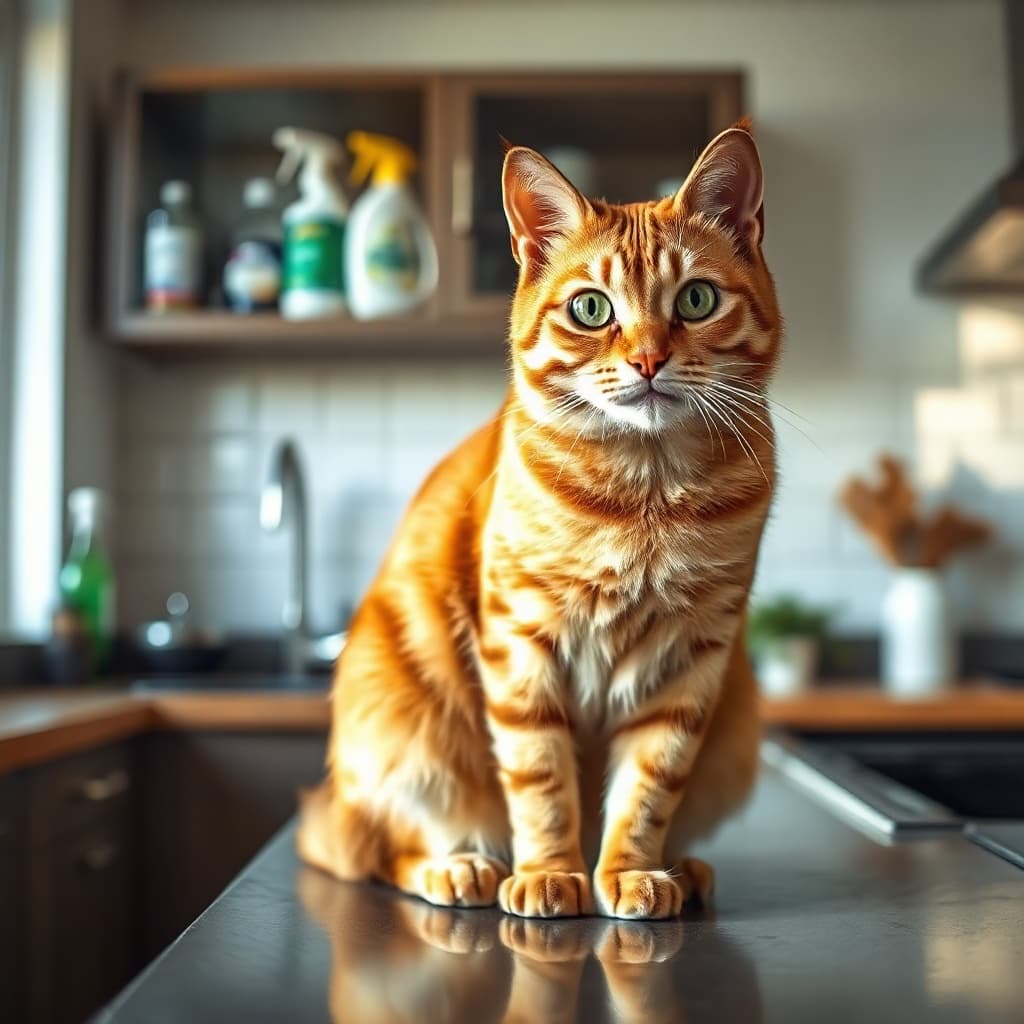
Ammonia, chlorine, and other aggressive chemicals in common cleaning products can cause chemical burns to the mouth, tongue, and esophagus. Cats are particularly vulnerable because they naturally groom themselves after contact with such substances.
The study revealed that many poisoning cases occurred when cats walked through recently cleaned areas and then groomed their paws, unknowingly ingesting toxic residues.
Human Medications - Silent Killers
Acetaminophen (paracetamol) is essentially poison for cats. Even a small dose can cause:
Severe liver damage
Methemoglobinemia (blood cells cannot carry oxygen effectively)
Cyanosis (bluish discoloration of mucous membranes)
Death in severe cases
Other dangerous human medications include:
Ibuprofen and NSAIDs
Antidepressants
Heart medications
Cold and flu remedies
Plants - Beautiful but Deadly
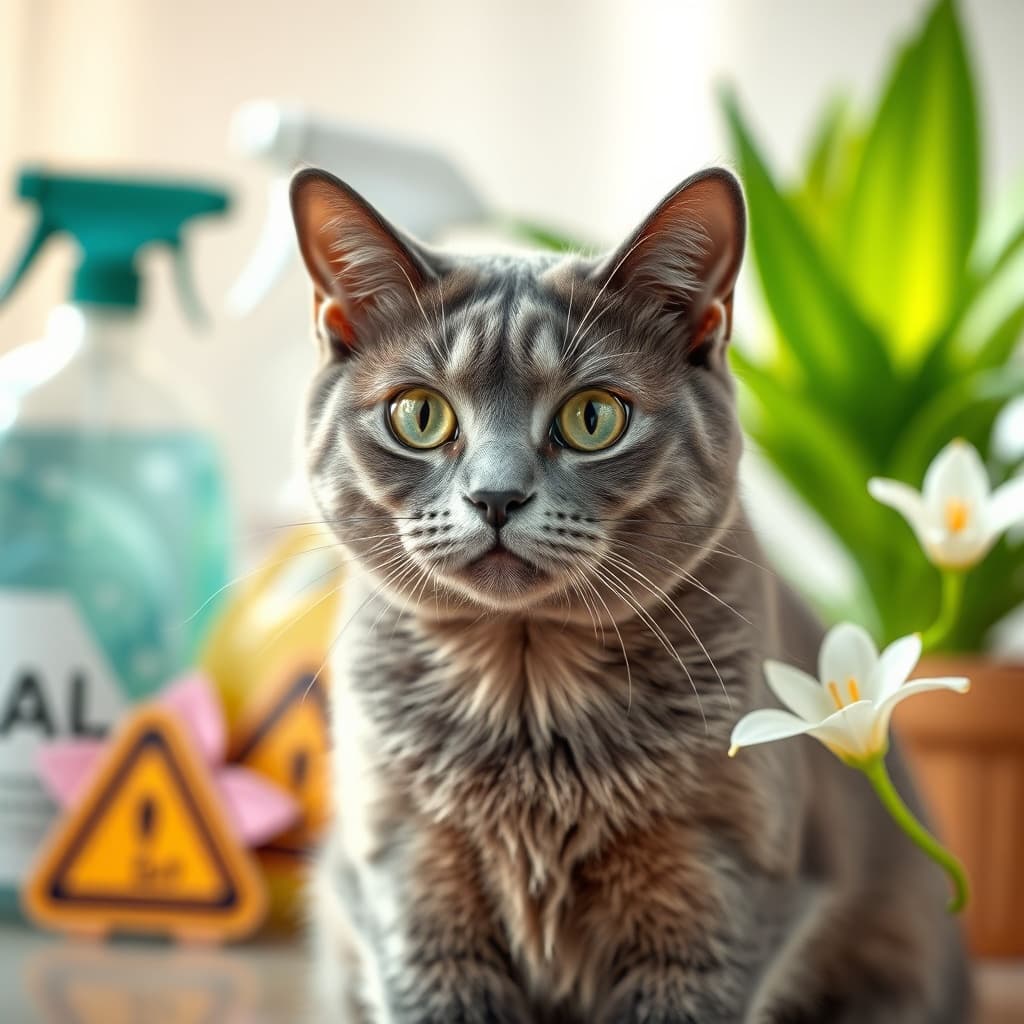
Lilies rank among the most dangerous plants for cats. Even small amounts of lily pollen can cause acute kidney failure. The toxicity is so severe that some cats have died from simply drinking water from a vase containing lilies.
Other problematic plants include:
Azaleas and rhododendrons
Tulips and daffodils
Oleander
Sago palms
Poinsettias
Recognizing Poisoning in Cats
Scientific studies show that early recognition of symptoms is crucial for successful treatment. Watch for these warning signs:
Neurological symptoms:
Disorientation and confusion
Loss of coordination
Seizures or tremors
Abnormally dilated or constricted pupils
Lethargy or hyperactivity
Gastrointestinal problems:
Repeated vomiting
Diarrhea (sometimes bloody)
Loss of appetite
Excessive drooling
Abdominal pain
Respiratory difficulties:
Rapid, shallow breathing
Open-mouth breathing
Coughing or wheezing
Blue-tinged gums or tongue
Creating a Cat-Safe Home Environment
Securing Storage Areas
Lock all cabinets containing cleaning products, pesticides, and chemicals
Use child-proof latches on doors and drawers
Never leave open containers of chemicals unattended
Store products in original containers with clear labeling
Choosing Cat-Friendly Products
Look for cleaning products labeled as "pet-safe" or "non-toxic"
Consider natural alternatives like vinegar and baking soda
Research ingredients before purchasing new products
Test new products in small, isolated areas first
Safe Gardening Practices
Replace dangerous plants with cat-safe alternatives
Create a dedicated "cat garden" with safe plants like cat grass
Use natural fertilizers instead of chemical ones
Research every plant before bringing it into your home
Medication and Supplement Safety
Never give human medications to cats without veterinary consultation
Store all medications in secure, elevated locations
Be cautious with vitamins – they can be toxic in higher doses
Keep emergency veterinary contact information readily available
Emergency Response Protocol
Immediate Actions
Stay calm – panic won't help you or your cat
Remove the source of toxic substance if still accessible
Don't induce vomiting without veterinary instruction
Contact your veterinarian immediately – time is critical
Essential Information for Your Veterinarian
What substance caused the poisoning (bring the product container)
When the exposure occurred
Estimated amount consumed
Current symptoms you've observed
Your cat's weight and age
What NEVER to Do
Don't give milk – it's not an antidote
Don't use salt to induce vomiting
Don't attempt home remedies
Don't wait to "see if it gets better"
Treatment Approaches and Prognosis
According to the Brazilian study, treatment success rates are high when intervention is prompt. Common treatment protocols include:
Decontamination through induced vomiting or gastric lavage
Activated charcoal administration to bind toxins
IV fluid therapy to support kidney function
Specific antidotes when available
Supportive care including oxygen therapy and monitoring
The research showed that cats treated within 2-4 hours of exposure had significantly better outcomes than those treated later.
Prevention: Your Best Defense
Scientific evidence clearly demonstrates that most cat poisonings are entirely preventable. It's about recognizing that our homes can be like minefields full of hidden dangers for our feline friends.
Key prevention strategies:
Regular "cat-proofing" assessments of your home
Education about common toxins
Immediate secure storage of dangerous substances
Quick response to potential exposures
Building relationships with emergency veterinary services
Remember: your cat depends on your decisions. Every product you buy, every plant you bring home, every medication you leave accessible – all of these can impact their health and safety.
Investing in a safe home environment isn't just about money – it's an investment in your cat's long, healthy, and happy life. When you see that trust in your feline's eyes, you'll know it's worth every effort.
This article is based on scientific research published in Arquivo Brasileiro de Medicina Veterinária e Zootecnia (DOI: 10.1590/1678-4162-11856), which analyzed 543 cases of cat poisoning in Brazil.