The Hidden Rhythm of Your Cat's Heart
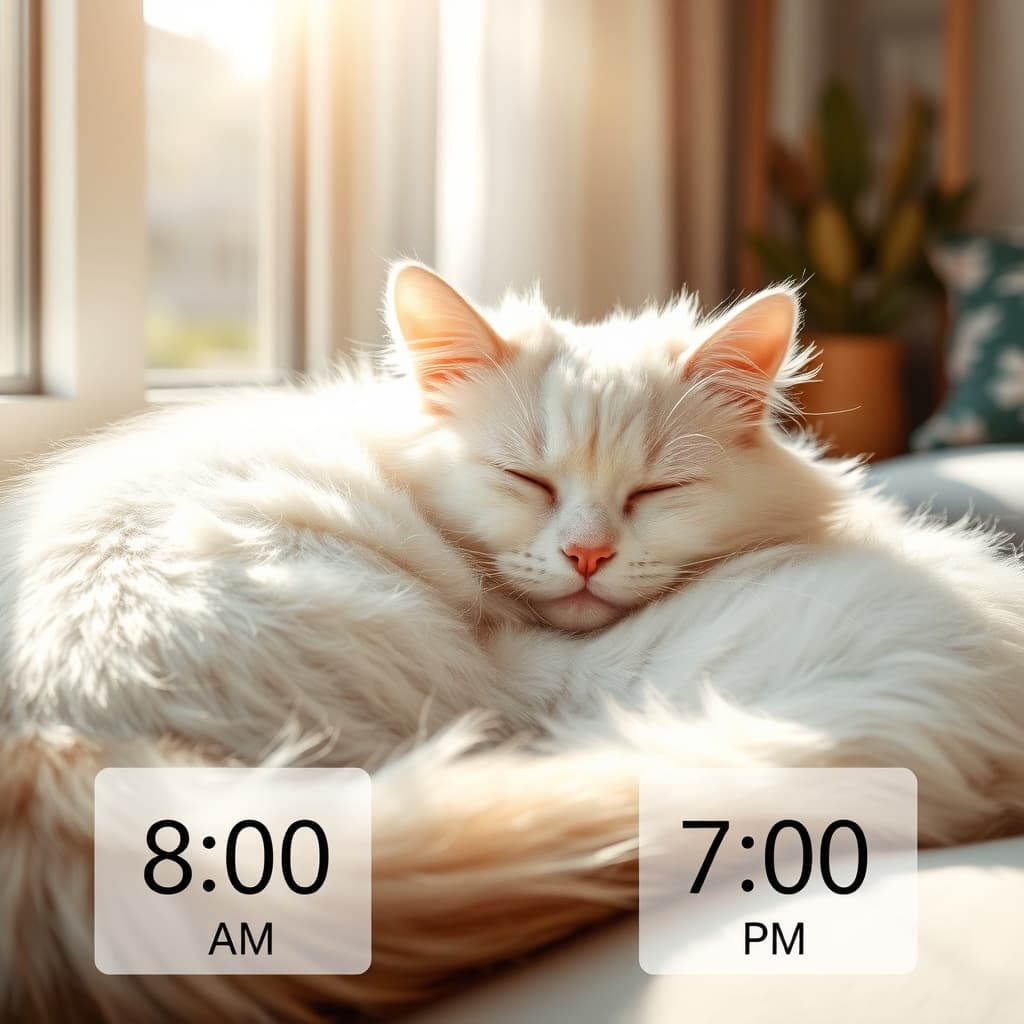
Have you ever wondered if your cat's heart follows a secret schedule? Well, science has revealed something remarkable: cats have two distinct blood pressure peaks every single day. One occurs at 8:00 AM and another at 7:00 PM. This isn't random – it's a perfectly orchestrated biological symphony that tells us incredible things about feline physiology.
Groundbreaking Scientific Discovery
Researchers from the Journal of Veterinary Medical Science conducted a revolutionary study using advanced telemetry technology. They implanted tiny, wireless sensors in healthy cats, allowing continuous blood pressure monitoring without any stress or movement restriction.
The results were fascinating:
Systolic pressure (pressure during heart contraction) peaked precisely at 8:00 AM and 7:00 PM
Diastolic pressure (pressure during heart relaxation) followed the same bimodal pattern
Mean arterial pressure confirmed this dual-peak rhythm
Lowest values occurred during nighttime hours
Blood pressure stabilized into this natural pattern within 7-10 days post-surgery
This bimodal circadian pattern represents one of the most consistent findings in feline cardiovascular research.
The Evolutionary Biology Behind the Peaks
This dual rhythm isn't coincidental – it's deeply rooted in feline evolutionary history and natural behavior patterns:
Morning Peak (8:00 AM): Dawn Hunting Mode
Cats are naturally crepuscular – most active during twilight hours
Morning represents prime hunting time in the wild
Elevated blood pressure prepares the cardiovascular system for physical exertion
Corresponds with natural prey activity patterns
Evening Peak (7:00 PM): Dusk Activation
Second "hunting window" of the day
Preparation for nocturnal activities
Ancestral instinct from wild predecessors who hunted at dusk
Optimal time for territorial patrolling and social interactions
Neurobiological Mechanisms
Several sophisticated systems orchestrate this rhythm:
Orexin neurons in the hypothalamus regulate sleep-wake cycles and arousal
Histaminergic neurons in the tuberomammillary nucleus influence arousal stability
Autonomic nervous system coordinates cardiac activity with circadian cycles
Suprachiasmatic nucleus acts as the master biological clock
Clinical Implications for Cat Owners
Optimal Blood Pressure Monitoring
If your veterinarian recommends blood pressure monitoring:
Avoid measurements during peak hours (8:00 AM and 7:00 PM)
Ideal timing: between 10:00 AM and 4:00 PM
Never measure immediately after meals or exercise
Allow 5-10 minutes of quiet rest before measurement
Recognizing Hypertension Warning Signs
Watch for these symptoms, especially outside normal peak hours:
Excessive lethargy during typically active periods
Changes in appetite or eating patterns
Vision problems (dilated pupils, bumping into objects)
Disorientation or weakness
Increased respiratory rate or effort
Supporting Natural Cardiovascular Health
Respect the Natural Rhythm:
Provide opportunities for activity during morning and evening hours
Schedule feeding times to align with natural peaks
Create quiet rest environments during midday hours
Maintain consistent daily routines
Environmental Considerations:
Minimize loud noises during peak cardiovascular hours
Ensure access to fresh water throughout the day
Provide elevated perches for natural surveillance behavior
Create multiple rest areas for different times of day
When to Consult Your Veterinarian
While daily blood pressure variations are completely normal, certain situations warrant professional attention:
High-Risk Categories
Cats over 7 years old (increased hypertension risk)
Breeds predisposed to heart conditions (Maine Coons, Ragdolls, British Shorthairs)
Cats with chronic kidney disease or hyperthyroidism
Overweight or obese cats
Red Flag Symptoms
Difficulty breathing or open-mouth breathing
Sudden blindness or vision changes
Seizures or collapse episodes
Dramatic behavioral changes
Loss of appetite lasting more than 24 hours
Age-Related Changes in Blood Pressure Patterns
As cats age, their cardiovascular rhythms may shift:
Kittens (0-1 year): Developing circadian patterns
Adult cats (1-7 years): Well-established dual peaks
Senior cats (7+ years): Potentially blunted peaks, higher baseline pressure
Geriatric cats (12+ years): May require medication management
The Future of Feline Cardiovascular Research
Understanding these natural rhythms opens doors for:
Chronotherapy: Timing medications with natural cycles
Preventive care: Early detection of cardiovascular disease
Individualized treatment: Respecting biological timing in medical interventions
Welfare improvements: Environmental enrichment based on natural patterns
Conclusion: Honoring Your Cat's Internal Clock
Your cat's dual blood pressure peaks aren't a medical concern – they're evidence of perfectly functioning biological clocks. This ancient rhythm, inherited from wild ancestors, continues to guide your domestic cat's physiology.
By understanding and respecting these natural cycles, you're not just supporting cardiovascular health – you're honoring millions of years of evolutionary wisdom. The next time you notice your cat becoming more active at dawn and dusk, remember: their heart is following an ancient, perfectly calibrated rhythm.
Every cat is unique, but all share these fundamental biological patterns that connect them to their wild heritage. Embrace this knowledge, and you'll provide better, more intuitive care for your feline companion.
Source: Mishina, M., Watanabe, N., & Watanabe, T. (2006). Diurnal Variations of Blood Pressure in Cats. Journal of Veterinary Medical Science. PubMed: https://pubmed.ncbi.nlm.nih.gov/16598167/