Why Temperature Is Crucial for Feline Sleep Quality
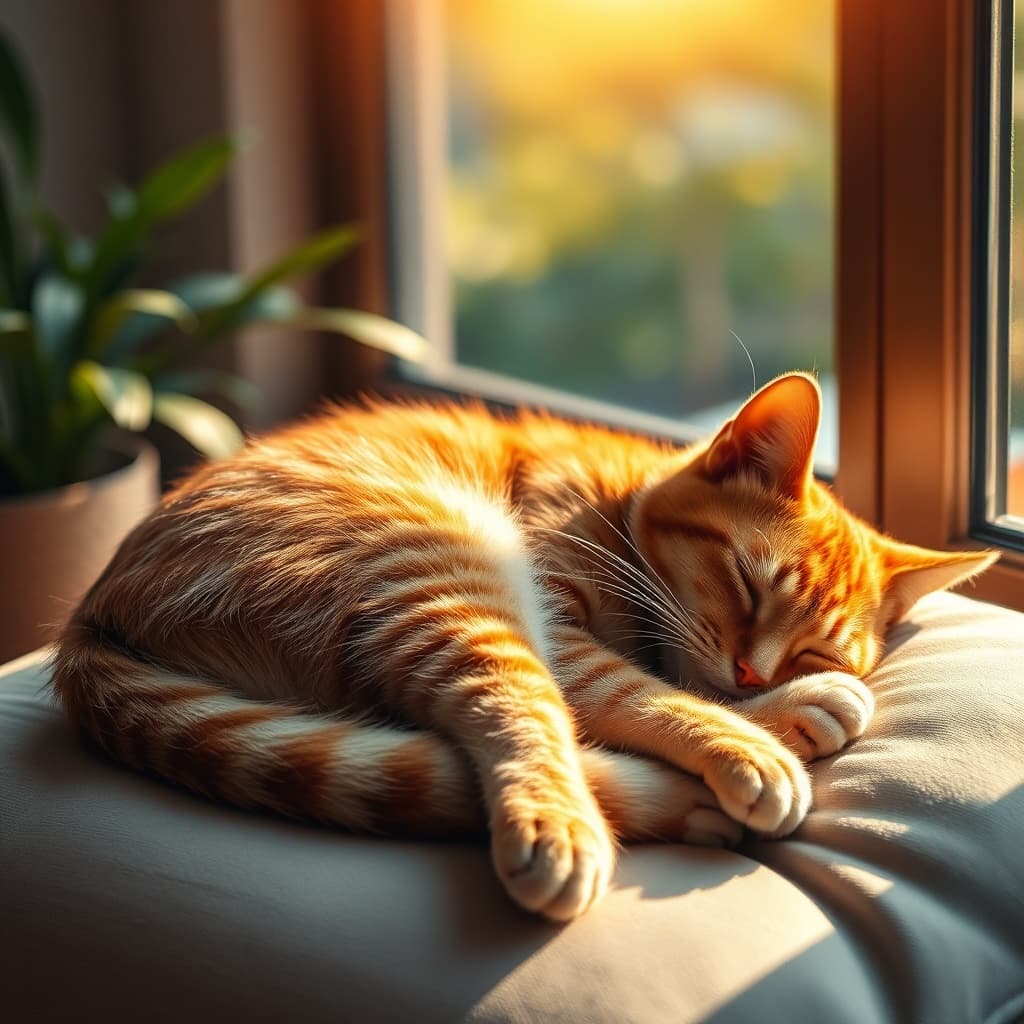
Have you ever wondered why your cat always seems to find the warmest spot in your home for their afternoon nap? Whether it's a sunny windowsill, a spot near the heater, or your laptop keyboard, this behavior isn't just cute—it's biologically essential for quality sleep.
Cats sleep 12-16 hours daily, making sleep quality a significant factor in their overall health and wellbeing. Understanding how temperature affects their rest can help you create optimal conditions for your feline companion's recovery and regeneration.
The Science Behind Thermoregulation and Sleep
Recent veterinary research, particularly studies focusing on hygiene practices and pathogen control in veterinary settings, reveals fascinating insights about temperature's role in animal health and comfort. The research emphasizes that heat isn't merely about comfort—it's fundamentally connected to health outcomes.
During sleep, cats experience reduced thermoregulatory responses, especially during deep sleep phases. This means their ability to maintain body temperature becomes partially compromised, making external warmth sources crucial for maintaining optimal physiological conditions.
Why Cats Need More Warmth Than Humans
Higher metabolic rate: Cats have faster metabolism, leading to quicker heat loss
Surface area to volume ratio: Smaller body volume relative to surface area increases heat dissipation
Evolutionary adaptation: Wild cats seek warm shelters for safe, restorative sleep
Sleep physiology: Thermoregulation decreases during REM sleep phases
How Temperature Impacts Different Sleep Stages
Sleep Onset Phase
When cats are in a warm environment, they relax more quickly and fall asleep faster. Cold conditions maintain a state of physiological alertness that delays sleep initiation and increases stress hormones.
Non-REM Deep Sleep
During this phase, metabolic rate and body temperature naturally decrease. If the environment is too cold, cats may experience frequent micro-awakenings as their body attempts to generate heat, fragmenting restorative sleep.
REM Sleep
The most critical phase for brain recovery and memory consolidation. Research suggests that stable warm temperatures enable longer, higher-quality REM periods, essential for cognitive function and emotional regulation.
Evidence-Based Sleep Environment Optimization
Ideal Temperature Parameters
68-75°F (20-24°C) represents the optimal ambient temperature range
Avoid temperature fluctuations greater than 5°F during sleep periods
Winter requires supplemental heat sources
Summer necessitates cooling alternatives and good ventilation
Scientific Approaches to Sleep Enhancement
Heated Sleep Surfaces:
Thermostatically controlled pet heating pads
Self-warming blankets that reflect body heat
Enclosed beds that trap and circulate warm air
Strategic positioning away from drafts
Environmental Controls:
Consistent room temperature maintenance
Draft elimination around sleeping areas
Humidity control (40-50% relative humidity)
Noise reduction for uninterrupted sleep cycles
Seasonal Adaptations
Winter Sleep Optimization:
Layer soft, heat-retaining materials
Position beds near (not directly on) heat sources
Consider pet-safe space heaters for very cold climates
Monitor for overheating signs
Summer Considerations:
Provide cooling mat alternatives
Ensure adequate ventilation
Create shaded rest areas
Avoid direct sun exposure during peak heat hours
Health Benefits of Temperature-Optimized Sleep
Creating the ideal thermal environment for your cat's sleep delivers measurable health improvements:
Immune System Enhancement
Quality sleep in optimal temperatures strengthens natural immunity by allowing proper cytokine regulation and white blood cell production.
Stress Reduction
Thermal comfort significantly reduces cortisol levels, promoting better hormone balance and reducing anxiety-related behaviors.
Cognitive Function
Proper REM sleep, facilitated by stable temperatures, supports memory consolidation and learning capacity in cats.
Physical Recovery
Warm sleep environments promote better circulation, muscle relaxation, and tissue repair processes.
Recognizing Temperature-Related Sleep Issues
Watch for these indicators that your cat may not have adequate thermal comfort:
Behavioral Signs
Frequent repositioning during sleep
Seeking extremely warm surfaces (electronics, appliances)
Shortened sleep periods
Increased restlessness or anxiety
Physical Indicators
Persistent curled, tight sleeping positions
Seeking multiple cats for warmth (if you have several)
Cold ears or paws upon waking
Delayed wake-up responses
Creating Individual Sleep Solutions
Every cat has unique thermal preferences influenced by:
Age: Senior cats need more consistent warmth
Breed characteristics: Long-haired vs. short-haired requirements
Health status: Illness can affect thermoregulation
Previous experiences: Outdoor vs. indoor-only backgrounds
Personalized Assessment
Observe your cat's preferred sleeping locations and positions. Cats will naturally seek their optimal thermal zones—support these preferences with appropriate bedding and environmental controls.
Implementation Strategy
Monitor current sleep patterns and preferred locations
Measure ambient temperatures in favored sleeping areas
Adjust environmental factors systematically
Observe behavioral changes and health improvements
Fine-tune based on seasonal requirements
Conclusion: Investment in Feline Wellness
Understanding the scientific relationship between temperature and sleep quality represents genuine healthcare for your cat. The research clearly demonstrates that thermal comfort isn't luxury—it's fundamental to physiological wellbeing.
By implementing evidence-based temperature management for your cat's sleep environment, you're supporting their immune function, cognitive health, and overall quality of life. Small environmental changes can yield significant health benefits for your feline companion.
This article is based on veterinary research findings on thermoregulatory processes and hygiene practices in animal healthcare settings.
Reference: Addie, D., et al. (2015). Disinfectant choices in veterinary practices, shelters and households. Journal of Feline Medicine and Surgery. PubMed: https://pubmed.ncbi.nlm.nih.gov/26101311/