When White is More Than Just a Color
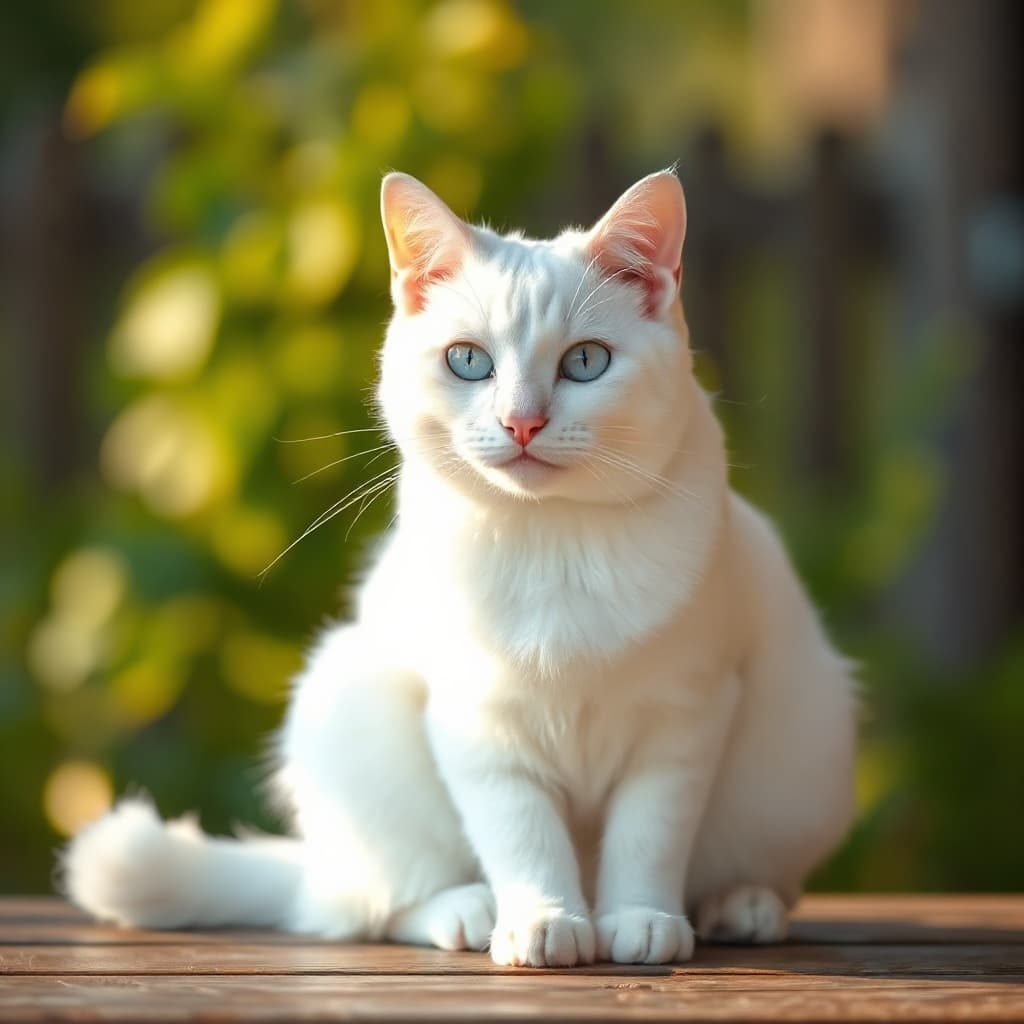
Have you ever gazed into the piercing blue eyes of a snow-white cat and wondered about the genetic magic behind such stunning beauty? What if I told you that this breathtaking appearance is actually the result of one of evolution's most surprising plot twists - a story involving ancient viruses, genetic hitchhikers, and millions of years of evolutionary creativity?
The world of feline genetics has always been full of surprises, but this discovery truly revolutionized our understanding of how nature creates beauty.
Endogenous Retroviruses: Ancient Genetic Stowaways
In 2014, a groundbreaking study led by Dr. David VA and colleagues made a discovery that shocked the scientific community. They found that the Dominant White locus (W) - the gene responsible for white coat color in cats - isn't controlled by a typical genetic mutation, but by something entirely unexpected: an endogenous retrovirus called FERV1.
Let's break this down. Endogenous retroviruses are essentially "fossil viruses" - remnants of ancient viral infections that became permanently integrated into the host's DNA millions of years ago. Think of them as old software that got stuck in your computer's hard drive and now affects how your system runs.
How FERV1 Works Its Magic
Researchers discovered that this viral insertion occurs within the KIT gene - a crucial gene that controls the development of pigment-producing cells called melanocytes. When FERV1 inserts into the KIT gene:
It completely disrupts melanin production (the pigment responsible for color)
Results in pure white fur across the entire body
Often causes blue eyes (due to lack of iris pigmentation)
Can lead to congenital deafness (pigment cells are essential for proper inner ear function)
Not All White Cats Are Created Equal
Here's where the science gets really fascinating! The research revealed two distinct types of FERV1 insertions:
Type 1: Complete Dominant White
Solid white coat with no color patches
Higher risk of deafness (up to 40% of individuals)
Often accompanied by blue eyes
Complete absence of melanin production
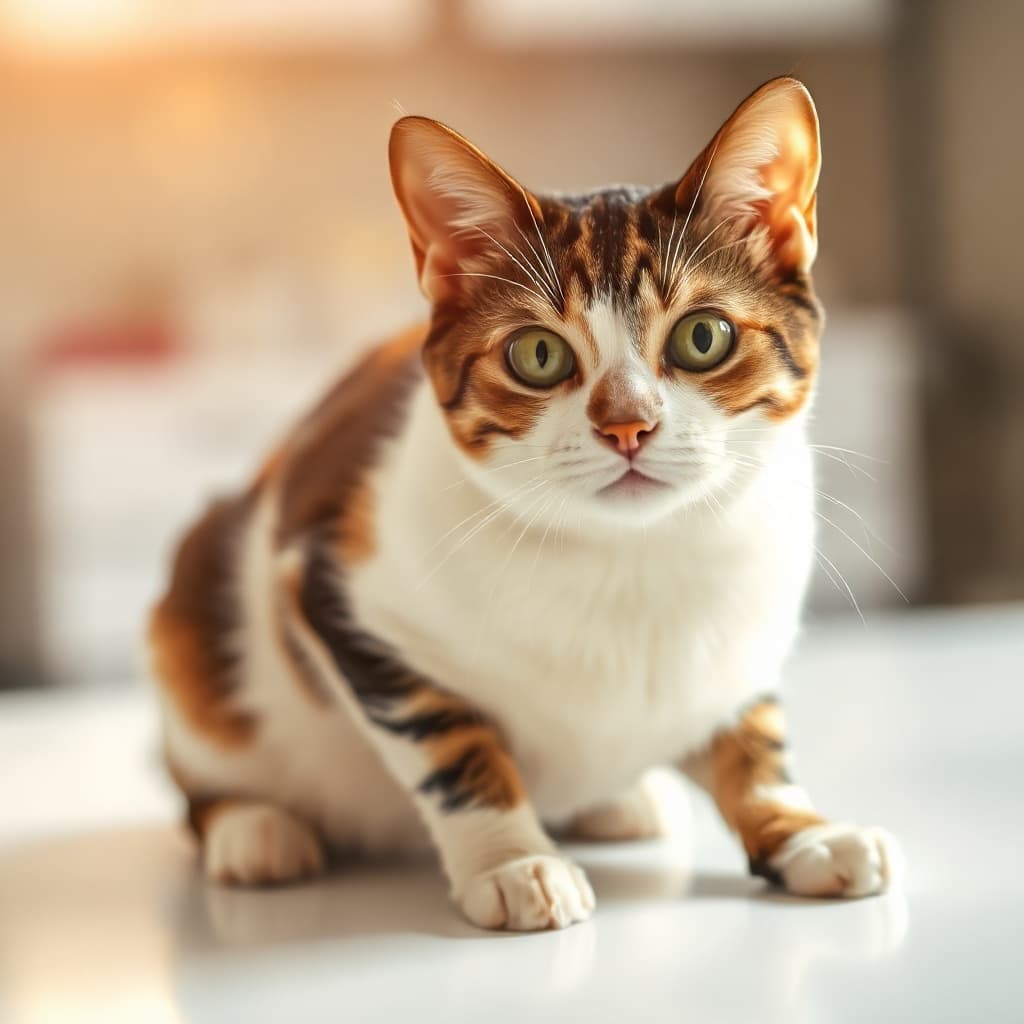
Type 2: White Spotting Pattern
Partial white pigmentation
Lower deafness risk
Creates the classic "white socks" or "white bib" patterns
Allows some color development in non-affected areas
Why This Discovery is Groundbreaking
This research fundamentally changed our understanding of feline coat color genetics. Previously, scientists assumed that white coloration resulted from standard genetic mutations. The discovery that a viral insertion could be responsible opened entirely new avenues of genetic research.
An Evolutionary Paradox
It's remarkable that something that began as a parasitic viral infection eventually became a source of genetic diversity and beauty. This demonstrates evolution's incredible ability to transform apparent disadvantages into unique traits.
Essential Care Tips for White Cat Owners
🔬 Hearing Assessment
If you own a white cat, have their hearing professionally tested. White-associated deafness is:
Congenital (present from birth)
Permanent (but cats adapt remarkably well)
Can be unilateral or bilateral
Early detection helps you provide appropriate care and environmental modifications.
☀️ Sun Protection
White cats face increased sun sensitivity, particularly on:
Ear tips and edges
Nose leather
Areas around the eyes
Prevention tips:
Limit direct sun exposure during peak hours
Consider pet-safe sunscreen for outdoor cats
Provide shaded outdoor areas
Watch for signs of sunburn (redness, scaling)
👁️ Eye Care Considerations
Blue eyes in white cats may be more light-sensitive. Monitor for:
Excessive squinting in bright light
Increased tearing
Signs of photophobia (light avoidance)
🏠 Home Modifications for Deaf Cats
If your white cat is deaf:
Use visual cues instead of vocal commands
Keep them indoors (they cannot hear traffic or predators)
Utilize vibrations - cats feel footsteps through floors
Maintain consistent routines to provide security
Never startle them - approach within their line of sight
Implications for Breeding and Health
Responsible Breeding Practices
Understanding the FERV1 connection helps breeders make informed decisions:
Genetic testing can identify carriers
Hearing screening should be standard for breeding white cats
Counseling potential owners about special care requirements
Veterinary Considerations
This research provides veterinarians with:
Better diagnostic tools for identifying genetic causes of deafness
Improved genetic counseling for breeders
Enhanced understanding of pleiotropic effects (one gene affecting multiple traits)
Future Research Directions
This discovery has opened numerous research avenues:
Identification of other endogenous retroviruses affecting feline traits
Development of gene therapies for congenital deafness
Evolutionary studies on virus-host interactions
Comparative genomics with other species
The Bigger Picture: Evolution's Creativity
The story of white cats illustrates evolution's remarkable creativity. What began as a viral infection millions of years ago has become a defining characteristic of feline beauty and diversity. This research reminds us that:
Genetic diversity often comes from unexpected sources
"Junk DNA" can have profound functional significance
Evolution repurposes existing genetic material in innovative ways
Beauty and function are intricately connected in biology
Conclusion: Appreciating Viral Beauty
The next time you encounter a stunning white cat with those captivating blue eyes, you'll know you're looking at one of evolution's most fascinating success stories. That pristine white coat represents millions of years of genetic evolution, viral integration, and nature's incredible ability to create beauty from chaos.
For cat owners, this knowledge emphasizes the importance of understanding your pet's unique genetic heritage and providing appropriate care. Whether your white cat can hear perfectly or navigates a silent world, they carry within their DNA an amazing story of survival, adaptation, and evolutionary ingenuity.
Reference: David VA, Menotti-Raymond M, Wallace AC, et al. Endogenous retrovirus insertion in the KIT oncogene determines white and white spotting in domestic cats. G3 (Bethesda). 2014;4(10):1881-1891. PubMed: 25085922