Your Cat Is a Master of Vocal Mimicry
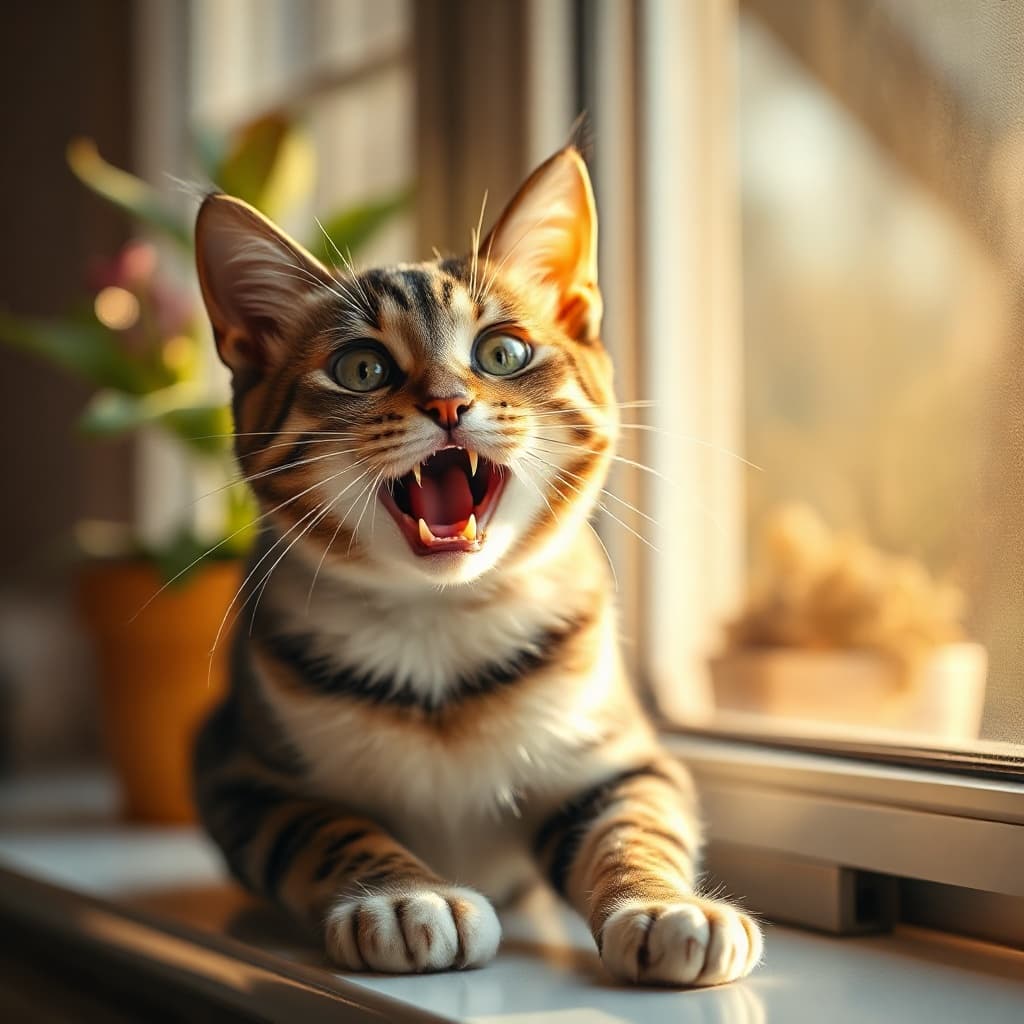
Have you ever noticed that your cat's meow sounds different when talking to you compared to other cats? You're not imagining it! Groundbreaking research reveals that domestic cats actually learn to mimic human vocal patterns, creating a sophisticated communication system designed specifically for us.
This remarkable ability showcases just how intelligent and adaptable our feline companions truly are. Unlike any other domestic animal, cats have developed human-specific vocalizations that they rarely use with other cats.
What Science Tells Us About Cat "Conversations"
A comprehensive study published in the journal Animals analyzed how cats modify their vocalizations across different contexts. Researchers examined 969 meows recorded in seven distinct situations:
Food requests
Greetings
Play interactions
Cuddle time
Door opening requests
Lifting responses
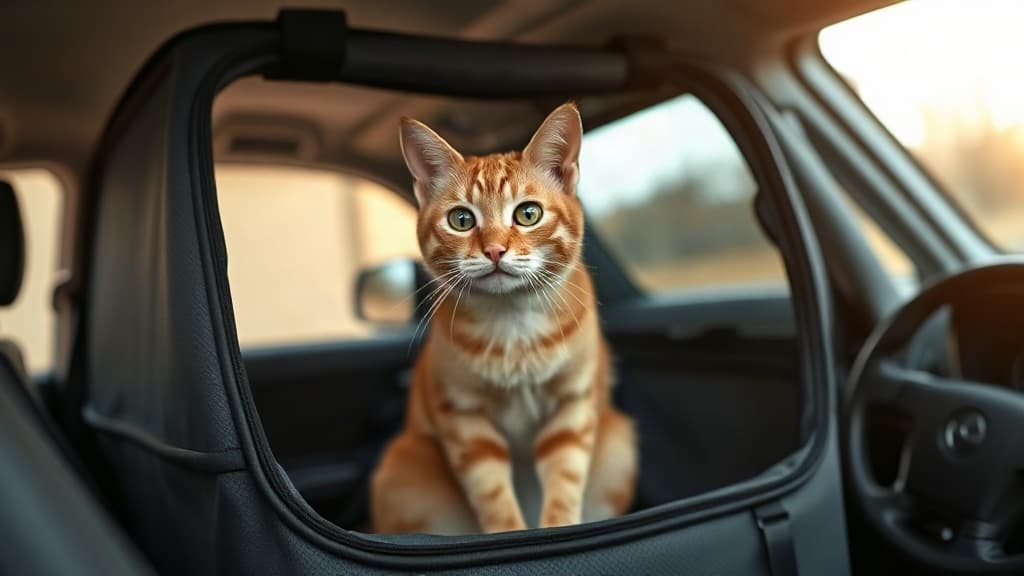
Carrier anxiety
The results were astounding: cats systematically adjust their vocal patterns based on what they want to achieve, and they adapt these patterns to match the vocal characteristics of their human families.
How Cats "Study" Our Voices
Duration and Pitch Adaptation
Research shows cats modify several vocal elements:
Duration - shorter meows for urgent requests, longer ones for social interaction
Fundamental frequency - adjusting to match the depth of our voices
Intonation patterns - using rising tones for requests, falling tones for statements
Intensity - matching our volume levels and emotional expression
These changes aren't random. Cats learn which sounds work best with their specific humans and then deliberately employ them.
Individual Vocal Signatures
Each cat develops a unique "vocabulary" for their human family. This explains why your cat might sound completely different from your neighbor's cat. They adapt to:
Your voice pitch and range
Your speech patterns and rhythm
Sounds that trigger your strongest responses
The emotional coloring of your voice
The Evolution of Cat-Human Communication
Why Cats Developed This Ability
Unlike dogs, which were domesticated through selective breeding for thousands of years, cats essentially domesticated themselves. They needed to develop effective ways to communicate with humans while maintaining their independence.
Remarkably, adult cats rarely meow at other cats - this vocalization is almost exclusively reserved for human interaction! It's as if they've developed a special "human language" just for us.
The Science of Feline Phonetics
Recent studies using advanced acoustic analysis reveal that cats employ prosodic cues similar to human speech:
Stress patterns - emphasizing certain parts of their meows
Tempo variations - speeding up or slowing down based on urgency
Harmonic adjustments - fine-tuning overtones to match our vocal preferences
Practical Tips for Better Cat Communication
Decode the Context
Learn to recognize your cat's different "messages":
Morning food meows - typically short, insistent, repetitive
Greeting calls - brief, questioning, often with rising intonation
Attention-seeking - longer, more complex, conversational
Discomfort signals - lower pitch, more urgent, sometimes harsh
Respond Consistently
Your cat learns from your reactions. To encourage clear communication:
Respond promptly to appropriate requests
Ignore excessive demanding vocalizations
Reward gentle, pleasant meowing with attention
Talk back to your cat - they learn from your vocal patterns
Monitor Changes
Sudden changes in your cat's vocal patterns might indicate:
Health issues (dental problems, hearing loss)
Stress or environmental changes
Cognitive changes due to aging
Social dynamics shifts in multi-pet households
Advanced Insights from Recent Research
Gender and Age Differences
Studies reveal fascinating patterns:
Female cats tend to be more vocally diverse and responsive
Older cats often become more vocal due to cognitive changes
Breed variations significantly impact vocal tendencies
Social cats develop more complex human-directed vocabularies
The Role of Early Socialization
Kittens exposed to human voices early develop more sophisticated vocal mimicry abilities. This suggests that:
Critical learning periods exist for vocal development
Human interaction shapes feline communication from birth
Well-socialized cats become better "human speakers"
The Future of Cat Communication Research
Scientists are developing exciting new tools:
AI-Powered Translation
Researchers at Lund University are creating "cat translators" using machine learning to decode feline vocalizations. These tools might soon help us:
Identify specific needs and emotions
Detect early signs of illness
Improve human-cat relationships
Better understand feline cognitive abilities
Comparative Studies
Ongoing research compares cat communication across:
Different cultures and languages
Various household compositions
Multiple generations of cats
Wild vs. domestic populations
Building a Better Relationship Through Communication
Active Listening
Treat your cat's vocalizations as meaningful communication attempts:
Pay attention to subtle variations
Note timing and context
Respond appropriately to different "messages"
Engage in vocal exchanges
Vocal Training
You can actually help your cat develop clearer communication:
Use consistent words for different activities
Reward clear, appropriate vocalizations
Establish vocal routines (greeting calls, bedtime talks)
Model the kind of communication you prefer
Conclusion: Your Cat Is Speaking Your Language
The next time your cat "talks" to you, remember that they're using a sophisticated communication system they've developed specifically for your relationship. Every meow is the result of careful observation, learning, and adaptation to your vocal characteristics.
This ability represents one of the most remarkable examples of interspecies communication adaptation in the animal kingdom. Your cat isn't just making noise - they're actively learning to speak your language.
The science is clear: cats are extraordinary communicators who've mastered the art of human vocal mimicry. By understanding and responding to their efforts, we can build deeper, more meaningful relationships with our feline companions.
So the next time your cat has something to "say," listen carefully. They might just be speaking in your own voice!
Reference: Prato-Previde, E., Cannas, S., Palestrini, C., et al. (2020). What's in a Meow? A Study on Human Classification and Interpretation of Domestic Cat Vocalizations. Animals, 10(12), 2390. https://pubmed.ncbi.nlm.nih.gov/33327613/