A Sweet Misconception That Could Endanger Your Cat
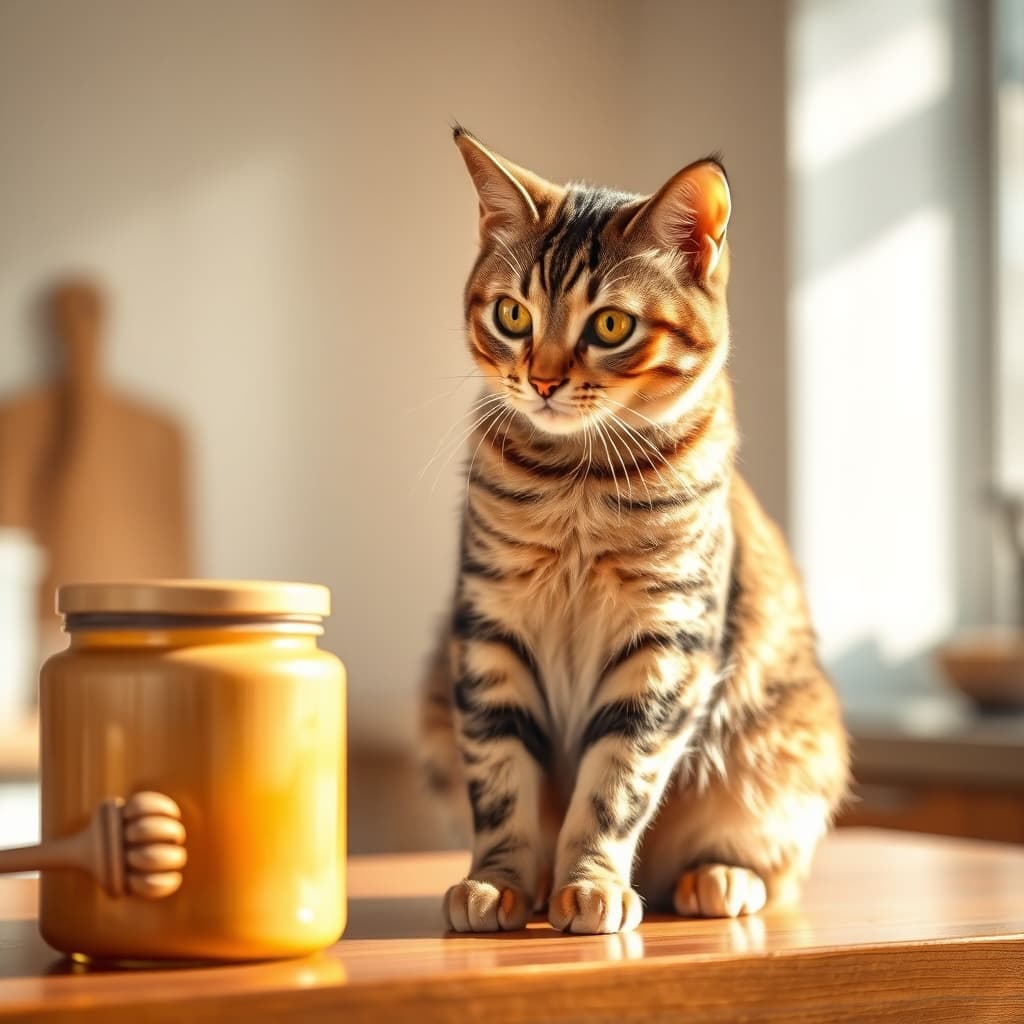
Picture this: you're enjoying breakfast with honey-drizzled toast when your curious feline companion starts sniffing around your plate. Your first instinct might be to share a tiny taste – after all, honey is natural and healthy, right? This seemingly innocent moment could actually put your cat's health at serious risk.
As a content writer for Science of Cats, I've encountered numerous cases where well-meaning pet owners unknowingly endangered their cats with foods they believed were harmless. Honey tops the list of these deceptive dangers.
The Molecular Complexity of Honey: Why Cats Can't Handle It
According to research published in Clinical and Experimental Pharmacology, honey has a complex chemical and biochemical composition including sugars, proteins, amino acids, phenolics, vitamins, and minerals. While these components offer health benefits for humans, they create multiple hazards for our feline friends.
High Sugar Content: A Metabolic Mismatch
Cats are obligate carnivores with metabolisms specifically adapted to process proteins and fats, not carbohydrates. Their digestive systems lack the evolutionary adaptations needed to handle honey's high fructose concentration effectively.
This metabolic mismatch can lead to:
Gastrointestinal upset: nausea, vomiting, and diarrhea
Blood sugar spikes: potentially dangerous for diabetic cats
Long-term health issues: contributing to obesity and diabetes development
Digestive stress: overwhelming their limited carbohydrate-processing capacity
Bacterial Contamination Risks
Honey can harbor various Bacillus species that produce lipopeptide biosurfactants. Research from the Journal of Food Quality demonstrates that these bacteria produce bioactive compounds with unpredictable effects on feline immune systems. While some Bacillus lipopeptides have antimicrobial properties, they can trigger unexpected immune responses in cats.
The Botulism Threat
The most serious concern is Clostridium botulinum, bacteria that produce lethal botulinum toxin. While adult cats typically have higher resistance than kittens, any exposure carries risk. Kittens are particularly vulnerable due to their immature digestive systems.
Clinical Signs of Honey Toxicity in Cats
A comprehensive study published in Arquivo Brasileiro de Medicina Veterinária e Zootecnia, which analyzed poisoning cases in domestic cats, identified common toxicity symptoms that every cat owner should recognize:
Immediate Symptoms (within 1-4 hours)
Gastrointestinal distress: vomiting, diarrhea, excessive drooling
Behavioral changes: restlessness followed by lethargy
Loss of appetite: refusing food and treats
Progressive Symptoms (4-12 hours)
Neurological signs: weakness, disorientation, difficulty walking
Respiratory issues: labored breathing (in severe cases)
Metabolic disruption: dehydration, hyperglycemia
Severe Cases (12+ hours)
Botulism symptoms: muscle paralysis, difficulty swallowing
Severe dehydration: requiring immediate veterinary intervention
Potential organ stress: particularly affecting liver and kidneys
Critical note: If you observe any of these symptoms after honey exposure, contact your veterinarian immediately. Time is crucial in toxicity cases.
Evidence-Based Prevention Strategies
Household Safety Measures
Secure storage: Keep honey in sealed containers in cabinets cats cannot access
Ingredient vigilance: Check commercial cat treats for honey as a "natural sweetener"
Family education: Ensure all household members understand the risks
Kitchen protocols: Clean up honey spills immediately and thoroughly
Safe Reward Alternatives
Instead of honey, offer your cat:
Commercial cat treats specifically formulated for feline nutrition
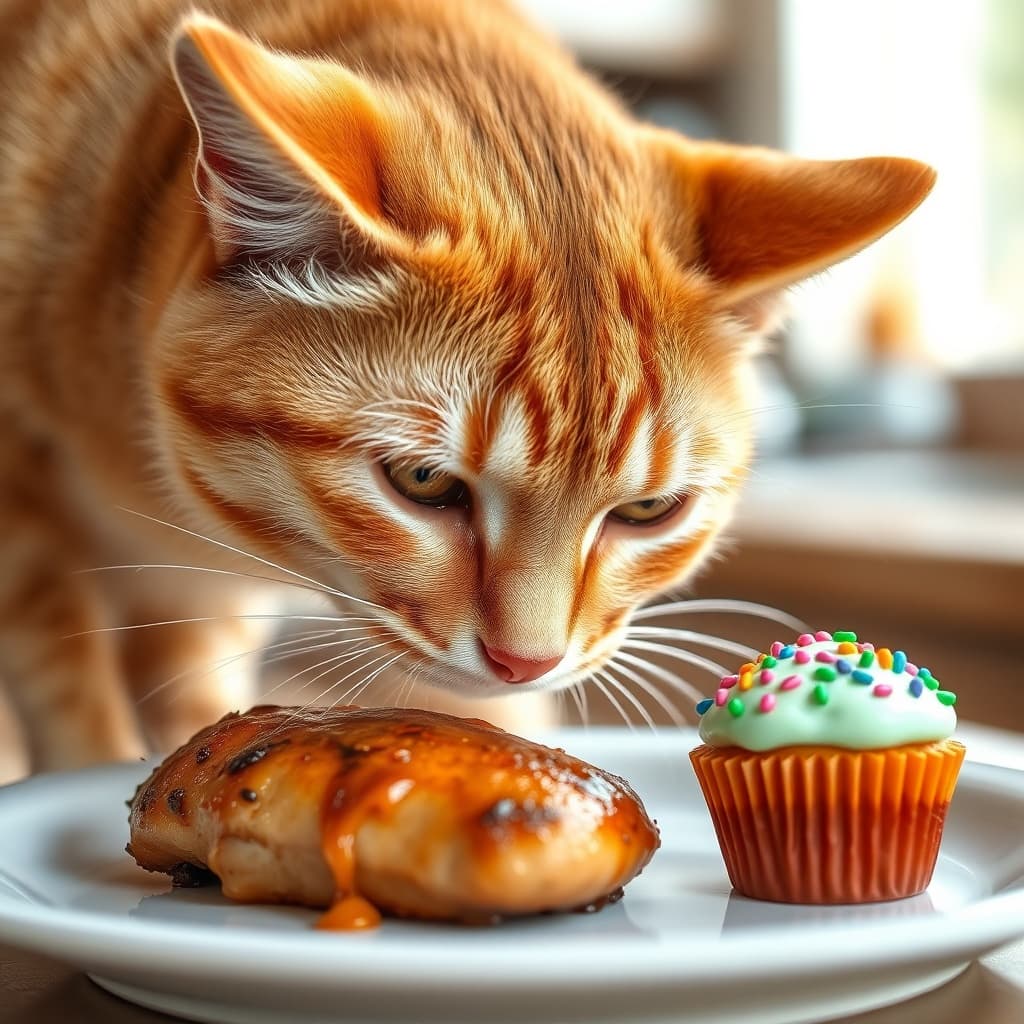
Small pieces of cooked chicken (unseasoned)
Cat grass to support digestive health
Interactive puzzle feeders with their regular food for mental stimulation
Emergency Response Protocol
If your cat consumes honey:
Don't induce vomiting without veterinary guidance
Remove remaining honey from your cat's mouth using a damp cloth
Preserve evidence: Keep the honey container for veterinary reference
Contact your veterinarian immediately, even for small amounts
Monitor closely: Watch for any behavioral or physical changes
Debunking Common Myths
Myth: "Natural products are always safe for pets." Science: Many natural substances are toxic to cats, including essential oils, certain plants, and yes, honey.
Myth: "A tiny amount won't hurt." Science: Cats' small body size means even small amounts can cause significant metabolic stress.
Myth: "Honey can soothe a cat's sore throat." Science: Cats lack sweet taste receptors and gain no therapeutic benefit from honey – only risks.
The Bigger Picture: Species-Specific Nutrition
Understanding why honey is dangerous for cats illuminates a crucial principle: what's healthy for humans isn't necessarily safe for pets. This concept extends beyond honey to many foods we consider beneficial.
Cats evolved as desert hunters, developing unique nutritional requirements that differ dramatically from omnivorous humans. Their inability to process honey safely reflects millions of years of evolutionary specialization.
Conclusion: Love Means Making Informed Choices
True pet care means making decisions based on scientific evidence rather than assumptions. While sharing food with our cats feels like an expression of love, the most loving choice is often saying "no" to potentially harmful treats.
Your cat doesn't need honey's sweetness – they can't even taste it. What they need is your commitment to their safety, which means understanding the science behind pet nutrition and acting accordingly.
Remember: when in doubt, don't. There are countless safe ways to show your cat affection without risking their health. Your informed choices today protect their well-being for years to come.
This article is based on peer-reviewed research including "Molecular Pharmacology of Honey" (Clinical and Experimental Pharmacology, DOI: 10.4172/2161-1459.1000212). Always consult your veterinarian for specific health concerns.