The Sweet Mystery: Why Cats Are Immune to Sugar's Appeal
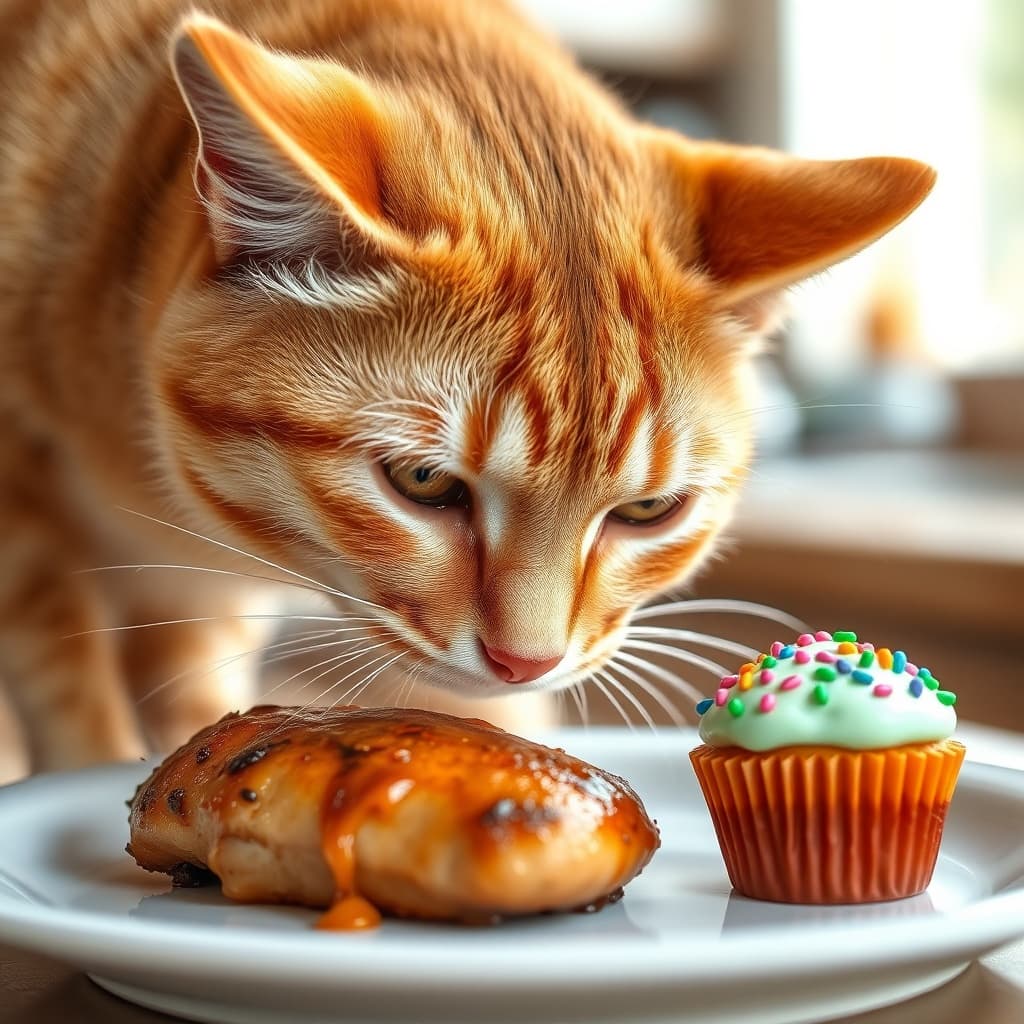
Have you ever noticed how your cat shows absolutely zero interest in that piece of cake on your plate? While you might assume they're just being picky, the truth is far more fascinating: your cat literally cannot taste sweetness.
This isn't a quirk or preference – it's a genetic reality that affects every domestic cat and their wild relatives. The inability to detect sweet flavors represents one of the most remarkable examples of evolutionary specialization in the animal kingdom.
The Science Behind Sweet Taste Perception
To understand why cats can't taste sweet, we need to dive into the molecular machinery of taste. Sweet taste perception in mammals relies on specialized taste receptors called sweet taste receptors, which are composed of two protein subunits: T1R2 and T1R3.
In most mammals, these two proteins work together like a lock and key system. When sweet molecules (like sugars) bind to this receptor complex, they trigger a cascade of signals that our brain interprets as "sweet." However, cats have a fundamental problem with this system.
The Genetic Mutation Revealed
Research published in the International Journal of Comparative Psychology has revealed the genetic culprit behind cats' sweet-blindness. The gene responsible for producing the T1R2 protein contains multiple premature stop codons – essentially genetic "stop signs" that halt protein production before it's complete.
This means cats produce a truncated, non-functional version of the T1R2 protein. Without a working T1R2 subunit, the sweet taste receptor complex cannot form properly, leaving cats completely unable to detect sweet compounds.
A Family Affair
This genetic trait isn't unique to domestic cats. Studies have found similar mutations across the entire Felidae family, from house cats to lions, tigers, and leopards. This suggests the mutation occurred in a common ancestor and has been preserved throughout millions of years of evolution.
Why Evolution "Deleted" Sweet Taste
At first glance, losing the ability to taste sweet seems like an evolutionary disadvantage. After all, sweetness typically signals energy-rich foods like fruits. So why would natural selection eliminate this seemingly useful trait?
The answer lies in the cats' extreme dietary specialization. Unlike omnivores such as humans, cats evolved as obligate carnivores – animals that require a diet consisting almost entirely of meat to survive.
The Energy Economics of Evolution
Evolution is remarkably efficient, eliminating unnecessary biological features to save energy and resources. Since cats don't encounter sweet foods in their natural meat-based diet, maintaining sweet taste receptors became an evolutionary luxury they couldn't afford.
Instead, the energy that might have been spent maintaining sweet receptors was redirected toward enhancing the sensory systems that matter most for hunting: exceptional hearing, night vision, and an acute sense of smell.
What Cats Actually Taste
While cats may be sweet-blind, their remaining taste capabilities are nothing short of remarkable:
Enhanced Taste Sensitivities
Salt: Cats have well-developed sodium receptors, crucial for maintaining proper electrolyte balance
Sour: Highly sensitive to acidic flavors, helping them avoid spoiled meat
Bitter: Extremely acute bitter taste detection protects them from toxic compounds
Umami: This is their superpower – cats have exceptionally developed receptors for the savory, meaty taste
The ATP Connection
Recent research suggests cats may have specialized receptors for adenosine triphosphate (ATP), a molecule that's abundant in fresh meat and signals cellular energy. This could explain why cats are so particular about the freshness of their food – they're literally tasting the "life force" in their prey.
Practical Implications for Cat Owners
Understanding your cat's genetic taste limitations can revolutionize how you approach feeding and treat selection:
Smart Feeding Strategies
Focus on Protein Quality: Choose foods with high-quality animal proteins rather than those with sweet additives
Embrace Savory Flavors: Look for foods that emphasize umami-rich ingredients like fish, liver, or poultry
Avoid Sweet Additives: Don't waste money on cat foods with added sweeteners – they're meaningless to your pet
Experiment with Meat Varieties: Try different protein sources to discover your cat's preferences
Reading Cat Food Labels
When shopping for cat food, prioritize:
Named meat sources (chicken, salmon, beef) as the first ingredient
Minimal carbohydrate content since cats can't appreciate sweetness anyway
Natural flavoring from meat sources rather than artificial additives
Age-appropriate formulations that match your cat's life stage
The Evolutionary Timeline
This genetic adaptation didn't happen overnight. Scientists estimate that the mutation affecting sweet taste perception occurred approximately 12 million years ago in the common ancestor of all modern cats. This timing coincides with a period of significant environmental change that likely favored specialized carnivorous lifestyles.
Comparative Evolution
Interestingly, while cats lost their sweet receptors, they've maintained and even enhanced other taste capabilities. This selective pressure created animals so perfectly adapted to a carnivorous lifestyle that they literally cannot imagine what they're missing when it comes to dessert.
Health Benefits of Sweet-Blindness
This genetic "limitation" actually provides several advantages:
Natural Diabetes Prevention: Without sugar cravings, cats are less likely to develop diet-related metabolic issues
Optimal Weight Management: No sweet tooth means no empty calories from sugary treats
Better Dental Health: Reduced sugar intake naturally protects against tooth decay
Species-Appropriate Nutrition: Forces cats to seek out the high-protein foods they actually need
What This Means for Cat-Human Relationships
Understanding this genetic reality can improve your relationship with your feline companion:
Stop offering sweet treats – they're not being rude by ignoring them; they literally can't appreciate them
Invest in high-quality protein treats that align with their taste capabilities
Recognize that food preferences are driven by evolutionary biology, not stubbornness
Appreciate the evolutionary marvel that is your perfectly adapted carnivorous companion
The Bigger Picture
The loss of sweet taste in cats represents one of evolution's most elegant examples of "use it or lose it." By eliminating unnecessary sensory capabilities, cats were able to become supremely efficient predators, perfectly adapted to their ecological niche.
This genetic insight reminds us that our feline companions aren't just small, furry humans – they're sophisticated evolutionary specialists with unique biological needs and capabilities that deserve our understanding and respect.
Next time you're enjoying a sweet dessert while your cat looks on with apparent indifference, remember: they're not judging your choices. They're simply experiencing a fundamentally different sensory world, one perfectly calibrated for the life of a master hunter.
Reference: Vonk, J., & Leete, J. (2017). Carnivore Concepts: Categorization in Carnivores "Bears" Further Study. International Journal of Comparative Psychology, 30. https://doi.org/10.46867/ijcp.2017.30.01.06