The Incredible Diversity of Feline Natural Diet
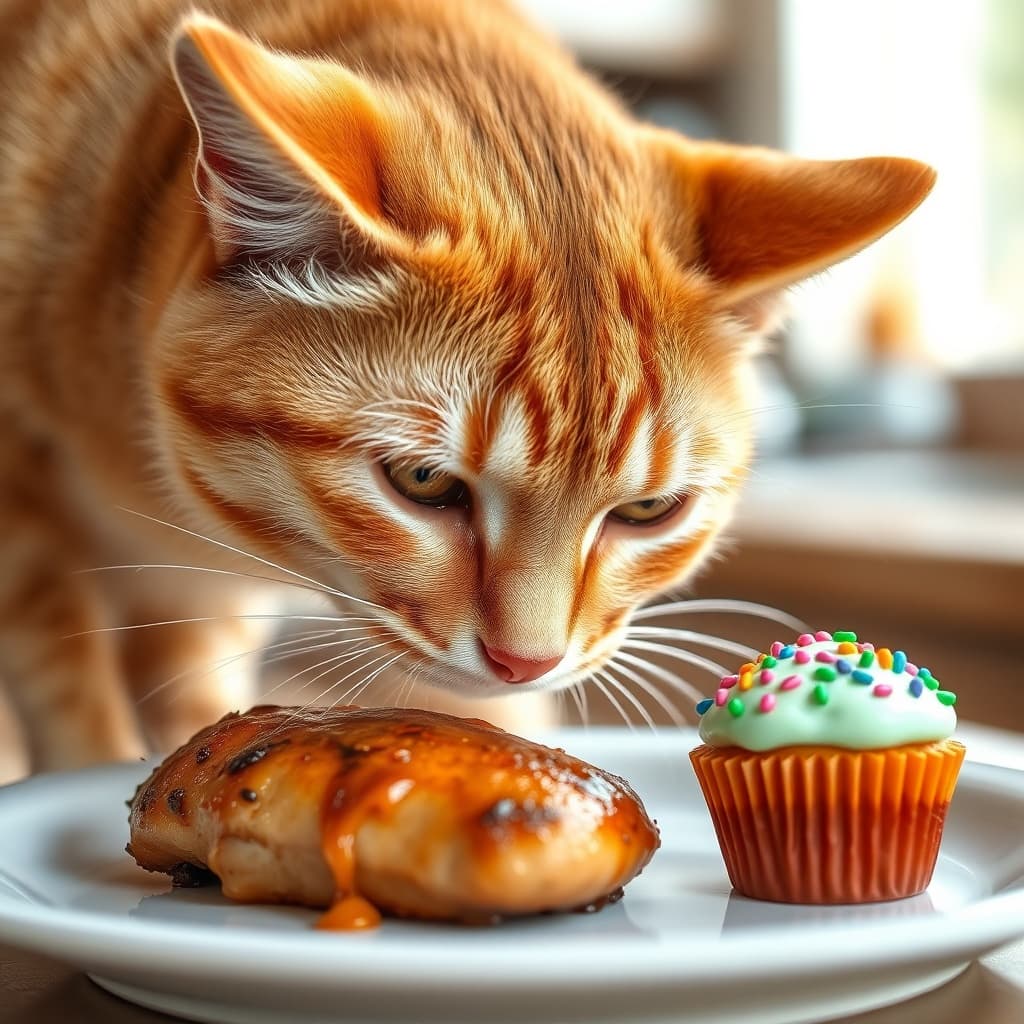
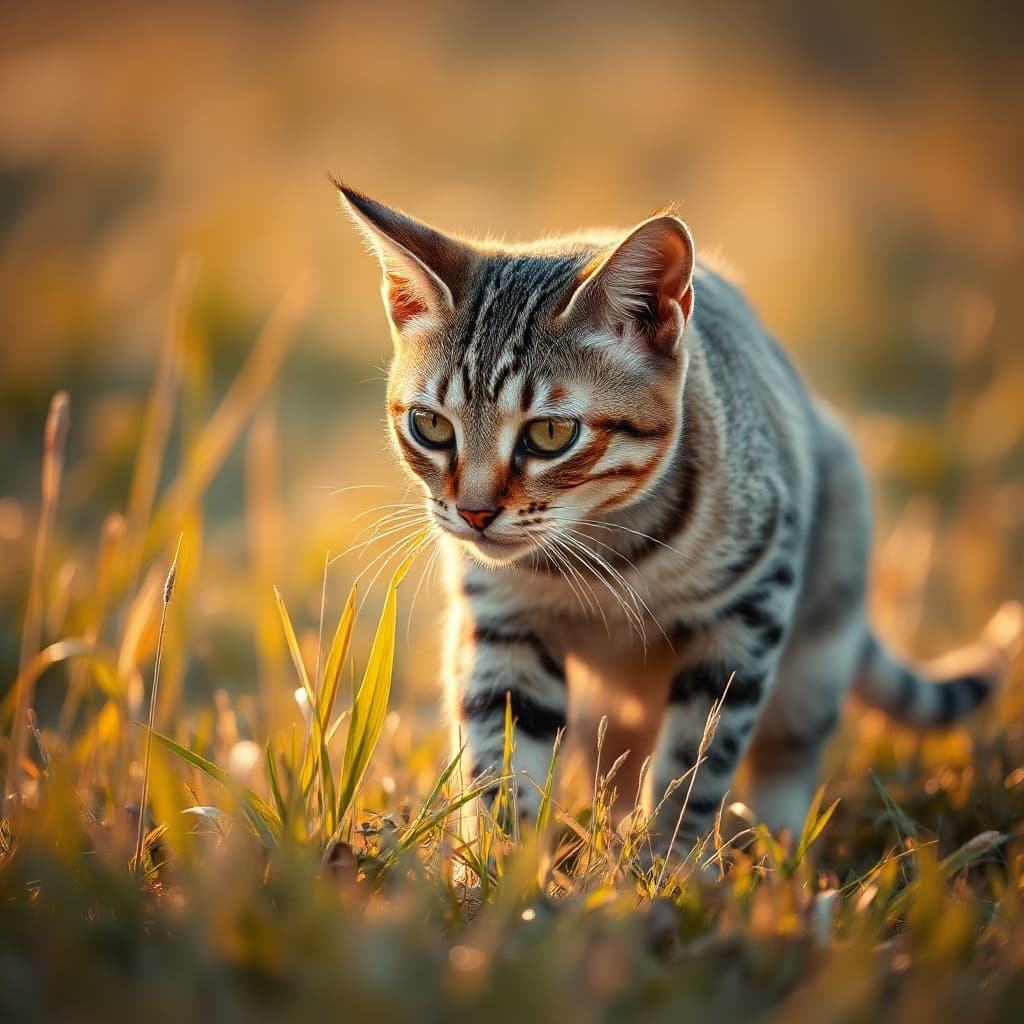
If you think your cat is a picky eater, wait until you learn about the dietary habits of their free-roaming cousins! Scientists have discovered that free-roaming cats hunt and consume more than 1000 different prey species - from tiny insects to larger mammals. This staggering number opens our eyes to just how complex natural feline nutrition truly is.
What the Scientific Research Reveals
In 2011, groundbreaking research published in the British Journal of Nutrition analyzed the dietary patterns of free-living cats worldwide. Researchers examined 55 studies from different continents and created a comprehensive picture of how cats actually feed in the wild.
The results are remarkable:
Over 1000 different prey species were identified in free-roaming cat diets
The list includes small mammals, birds, reptiles, amphibians, fish, insects, and even invertebrates
Rodents (mice, rats, voles) form the largest prey category
Birds represent the second-largest prey group
Surprisingly, insects and spiders also constitute a significant portion
Why This Diversity Matters
Cats are obligate carnivores, meaning they evolved to obtain all necessary nutrients exclusively from animal tissues. This incredible prey diversity isn't random - each prey type provides slightly different nutrients.
For example:
Small rodents are rich in proteins and fats
Birds provide high levels of taurine, an essential amino acid
Insects contain chitin, which acts as a natural prebiotic
Fish are sources of omega-3 fatty acids
The scientific research revealed that the natural diet of free-living cats contains approximately 52% protein, 46% fat, and only 2% carbohydrates. This is dramatically different from many commercial cat foods that often contain higher carbohydrate levels.
Applying These Insights to Domestic Cats
1. Variety is Essential
Never feed your cat only one type of food. Rotate different brands, flavors, and formats (wet, dry, raw). Each product has slightly different nutrient compositions.
2. Prioritize Quality Meat Content
Choose foods where real meat is the first ingredient, not by-products or grains. Look for foods with high protein content (minimum 30-40%).
3. Supplements and Treats
Seasonally, you can offer your cat:
Freeze-dried meat (chicken, rabbit, beef)
Quality fish treats rich in omega-3
Small amounts of cooked egg as additional protein source
4. Limit Carbohydrates
In nature, cats consume only minimal carbohydrates (mainly from prey stomach contents). Avoid foods with high grain and corn content.
Fascinating Facts About Feline Hunting
The research revealed several intriguing details:
Cats can adapt their diet seasonally - consuming more insects in summer, focusing on warm-blooded mammals in winter
Prey size ranges from 2-gram insects to several-kilogram rabbits
Cats in different geographical areas have specialized hunting preferences - for example, coastal cats more frequently consume fish and marine animals
Health Implications for Domestic Cats
This study has significant implications for how we should feed our domestic cats:
Metabolic Health
A varied diet mimicking natural patterns can help prevent obesity and diabetes. High-protein, low-carbohydrate diets are closer to cats' natural requirements.
Digestive Health
Different prey types provide various fiber types and nutrients that support healthy gut microflora.
Mental Health
While we can't simulate hunting, we can enrich feeding through puzzle feeders and hiding food in different locations, supporting natural behaviors.
Environmental and Ecological Considerations
The research also highlights important conservation concerns. With free-roaming cats consuming such a vast array of species, responsible pet ownership becomes crucial:
Indoor cats live longer, healthier lives and don't impact wildlife
Supervised outdoor time can provide enrichment without ecological damage
Proper nutrition indoors can satisfy hunting instincts through feeding enrichment
Practical Feeding Strategies
Rotation Feeding Protocol
Week 1-2: High-quality chicken-based wet food
Week 3-4: Fish-based formula with different protein source
Week 5-6: Game meat variety (rabbit, venison if available)
Ongoing: Incorporate freeze-dried treats and supplements
Reading Cat Food Labels
Look for:
Named meat sources (chicken, salmon, not "poultry meal")
Minimal carbohydrate fillers
Added taurine and other essential nutrients
No artificial preservatives or colors
The Science of Feline Nutrition
The study's findings align with what we know about feline evolution. Cats' metabolisms are uniquely adapted to process high amounts of protein and fat while having limited ability to process carbohydrates. Their natural prey provides:
Complete amino acid profiles necessary for muscle maintenance
Essential fatty acids for coat and skin health
Natural vitamins and minerals in bioavailable forms
Appropriate caloric density for their active lifestyle
Conclusion and Key Takeaways
The discovery that free-roaming cats consume over 1000 prey species reveals the complexity that should guide domestic cat nutrition. Diversity isn't just beneficial - it's a biological necessity.
For practical application, I recommend:
Combining high-quality commercial foods from different brands
Prioritizing meat-rich formulations
Adding occasional healthy "prey-like" treats
Consulting with your veterinarian for optimal diet plans
Remember - each cat is individual, and what works for one may not suit another. The key is observation, patience, and gradual dietary transitions that honor their wild heritage while meeting their domestic needs.
Source: Plantinga EA, Bosch G, Hendriks WH. Estimation of the dietary nutrient profile of free-roaming feral cats. Br J Nutr. 2011. PubMed: https://pubmed.ncbi.nlm.nih.gov/22005434/