The Golden Cat Mystery That Captivated Breeders Worldwide
Have you ever wondered why some cats seem to glow with that magnificent golden sheen in their coat? Perhaps you've noticed how certain felines appear to be touched by sunlight itself, while others display more traditional colorations. The answer to this captivating mystery lies within a single gene called CORIN, and recent scientific breakthroughs have finally unlocked its secrets.
For decades, cat breeders have been fascinated by golden coloration, particularly the variants that emerged in British breeds during the 2010s. These stunning cats displayed what breeders termed "light-gold," "akita," or "copper" coloration, but the genetic mechanism remained elusive until now.
Understanding Golden Coloration in Cats
Golden coloration in cats isn't simply one uniform shade. This complex trait manifests in several distinct ways:
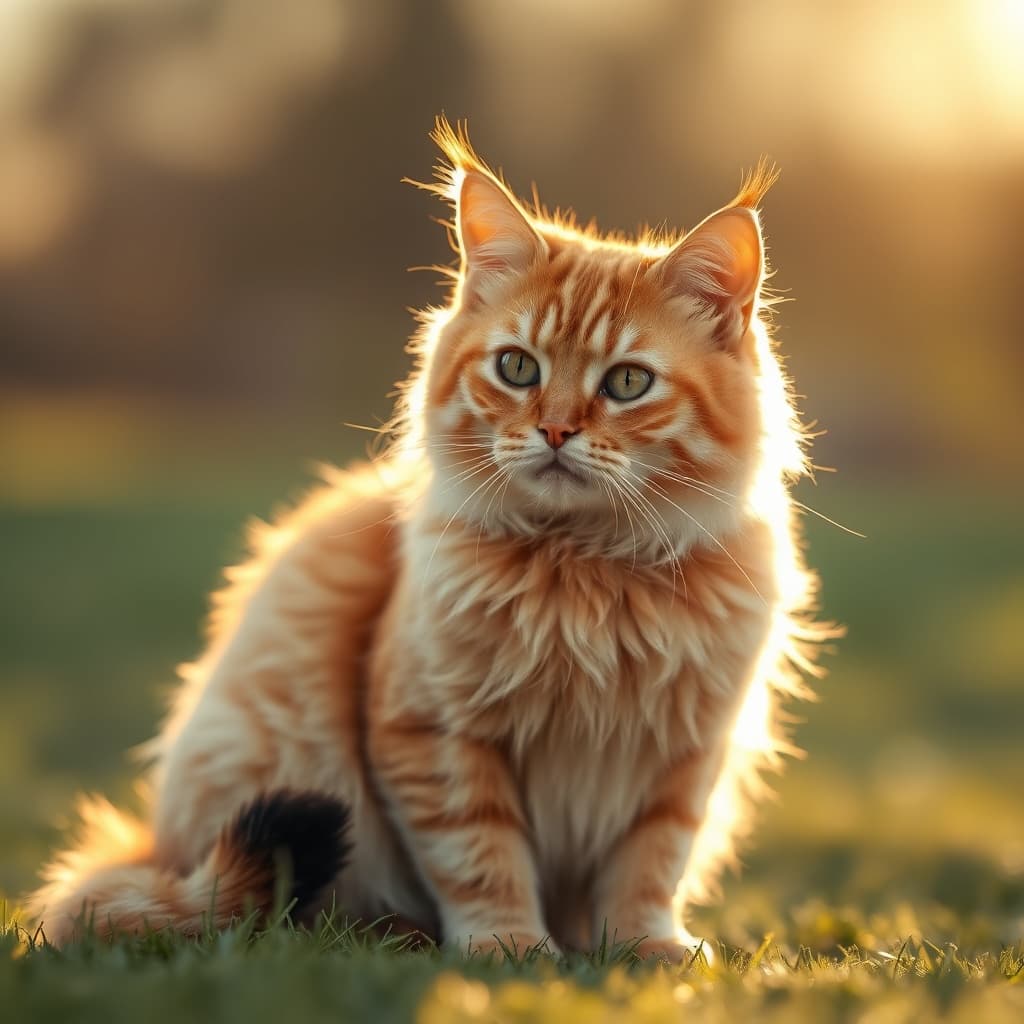
Light-gold: A subtle golden shimmer throughout the coat
Akita: More intense golden tones with warm undertones
Copper: Deep, rich golden-copper hues
What makes these colorations particularly striking is their unique pattern. Eumelanin (the dark pigment responsible for black and brown colors) becomes restricted primarily to the tip of the tail, while individual hairs show a distinctive "wideband" modification. This creates broader bands of lighter coloration along each hair shaft, resulting in that characteristic golden glow.
The CORIN Gene: Master of Golden Beauty
How the Genetics Work
A groundbreaking 2022 study published in Animal Genetics identified CORIN (Corin, serine peptidase) as the gene responsible for golden coloration. This gene encodes an enzyme that influences how pigments are distributed within hair follicles.
The inheritance pattern follows autosomal recessive genetics, which means:
A cat must inherit one "golden" copy from each parent to display the golden phenotype
Cats with only one copy are carriers but won't show golden coloration
Two golden parents will produce only golden offspring
Two non-carriers cannot produce golden kittens
The Scientific Breakthrough
Researchers used genome-wide association studies to identify the genetic region responsible for golden coloration. Within this region, CORIN emerged as the strongest candidate gene because two CORIN variants had previously been identified in Siberian cats with golden phenotypes.
This discovery was particularly significant because it confirmed that the same genetic mechanism operates across different breeds, suggesting CORIN's fundamental role in feline golden coloration.
Breeds Expressing Golden Coloration
Several cat breeds showcase stunning golden varieties:
British Shorthairs: Where the recent "light-gold" modification was first documented
Siberian Cats: Among the first breeds where CORIN variants were scientifically identified
Persian Cats: Golden Persians are highly prized for their lustrous coats
Maine Coons: Occasionally display subtle golden highlights
American Shorthairs: Some lines carry golden genes
Practical Guidance for Golden Cat Owners
Identifying True Golden Coloration
If you're unsure whether your cat displays genuine golden coloration, look for these characteristics:
Wideband hair pattern: Each hair shows broad bands of light coloration
Restricted eumelanin: Dark pigment limited primarily to tail tip and hair tips
Overall luminosity: The coat appears to have an inner glow, especially in natural light
Warm undertones: The coloration leans toward warm golds rather than cool silvers
Caring for Golden Coats
Nutritional Considerations:
High-quality proteins support healthy hair growth and pigmentation
Omega-3 fatty acids enhance coat luster and color intensity
Copper and zinc support proper pigment production
Avoid excessive vitamin A, which can alter coat color
Grooming and Maintenance:
Regular brushing distributes natural oils and enhances golden highlights
Use lukewarm water during baths to prevent color fading
Consider color-enhancing shampoos designed for golden coats
Limit prolonged sun exposure, which can bleach the golden tones
Breeding Considerations
For breeders working with golden cats:
Genetic testing can now identify CORIN variants
Pedigree analysis helps predict offspring coloration
Understanding carrier status prevents unexpected color outcomes
Consultation with feline geneticists optimizes breeding programs
The Broader Context of Feline Color Genetics
The CORIN discovery fits into the larger picture of feline color genetics. Cats possess approximately 35 genes containing over 50 mutations that affect appearance and health. Other important color genes include:
ASIP (Agouti Signaling Protein): Controls banding patterns in individual hairs
TYR (Tyrosinase): Affects overall pigment production
MLPH (Melanophilin): Influences color dilution
This genetic complexity explains why cat coloration is so diverse and why breeding for specific colors requires sophisticated understanding.
Future Implications and Research Directions
The CORIN discovery opens several exciting possibilities:
Enhanced genetic testing panels for breeders
Improved color prediction in breeding programs
Better understanding of pigmentation disorders
Conservation applications for wild golden cat species
Ongoing research continues to unravel the complexities of feline genetics, with new color genes being discovered regularly.
Conclusion: Golden Cats Shine Brighter Than Ever
The identification of CORIN's role in golden cat coloration represents a triumph of modern genetics, solving a mystery that has intrigued cat enthusiasts for generations. For cat owners, this knowledge enhances appreciation for the genetic artistry that creates these magnificent animals.
If you're fortunate enough to share your home with a golden cat, you're witnessing the beautiful expression of ancient genetic mechanisms refined through millions of years of evolution. Each golden whisker and gleaming hair represents nature's incredible ability to create beauty through the precise orchestration of genes like CORIN.
As our understanding of feline genetics continues to expand, we gain deeper appreciation for the remarkable diversity and beauty of our feline companions. The golden cat mystery may be solved, but the wonder of these magnificent creatures continues to inspire both scientists and cat lovers alike.
This article is based on scientific research published in Animal Genetics (2022). Source: Abitbol M, Dargar T, Gache V. "Golden cats: A never-ending story!" [PubMed: 35703390](https://pubmed.ncbi.nlm.nih.gov/35703390/)