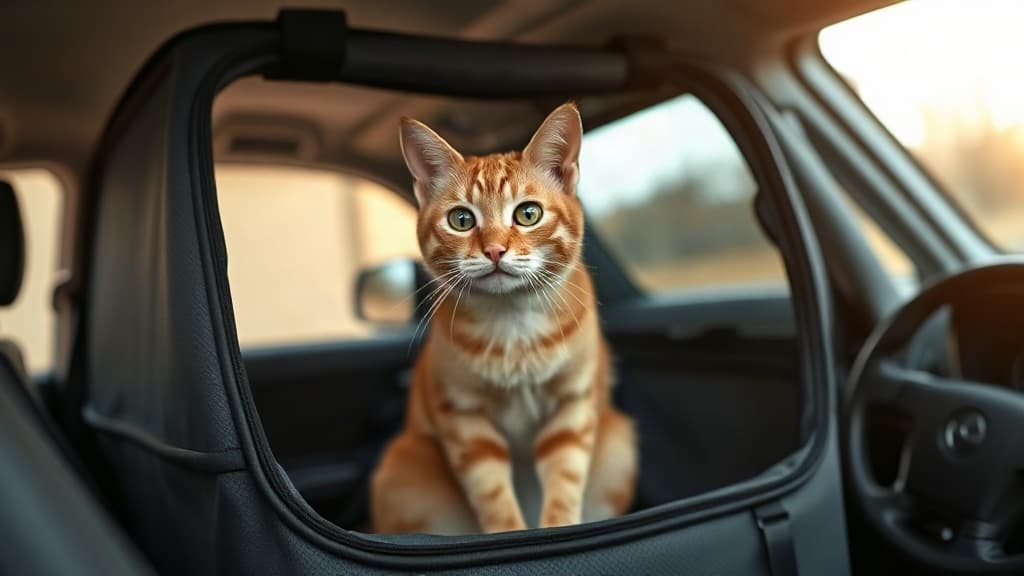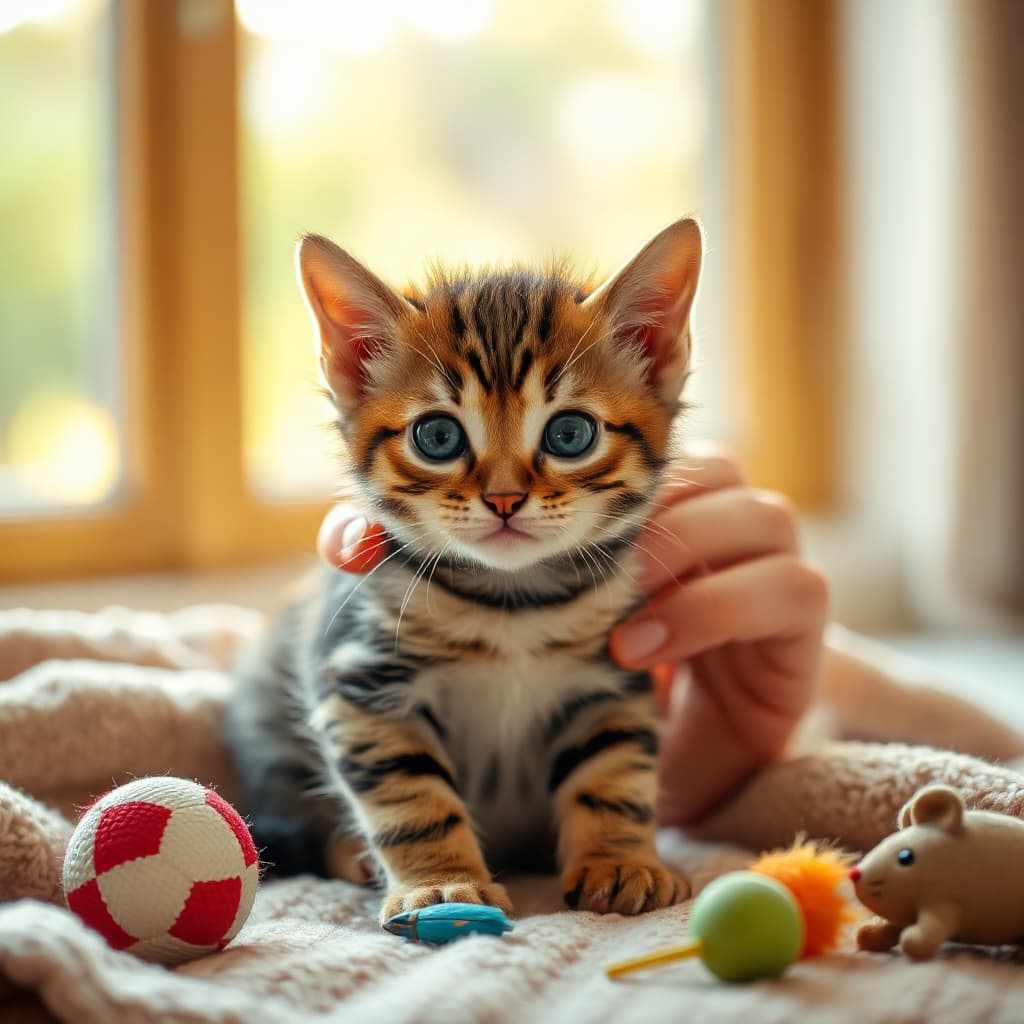
Your Cat is a Categorization Genius
Have you ever caught your cat staring at you with that knowing look, as if they understand everything around them? You might be onto something! Groundbreaking research has revealed a fascinating truth: our feline companions can recognize and categorize visual stimuli in ways that are remarkably similar to humans.
This ability isn't just a cute quirk – it's the foundation for all complex cognitive processes that your cat uses daily. From recognizing your face to identifying potential prey or danger, categorization is at the heart of feline intelligence.
What Does Categorization Mean in the Cat World?
Categorization is a fundamental mental ability that allows organisms to organize information into meaningful groups. For cats, this means they can:
Distinguish between "safe" and "dangerous" objects
Identify different types of prey
Recognize familiar versus unfamiliar faces
Categorize sounds based on their meaning
Differentiate between various types of toys
Group experiences into predictable patterns
A study published in the International Journal of Comparative Psychology demonstrated that carnivores, including felines, show comparable categorization abilities to primates. This means your domestic cat has inherited these advanced cognitive skills from their wild ancestors.
How Cats Process Visual Information
Natural Category Formation
Cats can create "natural categories" – meaning they automatically group similar objects together without needing to be taught. For example:
Small moving objects = potential prey
Large moving silhouettes = possible threats
Familiar human faces = safety and care
Unknown animals = caution required
Food-related items = reward opportunity
This automatic categorization happens incredibly fast, allowing cats to make split-second decisions about how to respond to their environment.
Quantity Discrimination
Fascinating research reveals that cats can discriminate quantities. Your cat can tell the difference between one mouse and several mice, or between a small amount and a large amount of food in their bowl. This ability likely evolved to help wild cats assess hunting opportunities and resource availability.
Individual Response Modulation
Not all cats respond identically to visual stimuli. Similar to findings in primates, there are individual differences in how quickly and accurately cats can categorize objects. This explains why:
Some cats are more cautious with new items
Others excel as hunters
Some have better social skills with humans
Certain cats adapt faster to environmental changes
The Science Behind Feline Categorization
Evolutionary Advantages
The ability to categorize visual stimuli provided significant survival advantages for cats' wild ancestors:
Predator avoidance: Quick identification of threatening shapes and movements
Hunting efficiency: Rapid recognition of prey types and behaviors
Social navigation: Understanding group dynamics and territorial boundaries
Resource management: Identifying food sources and safe shelter locations
Neurological Foundations
While we're still learning about the specific neural mechanisms in cats, research suggests that similar brain regions involved in human categorization may be active in felines. This includes areas responsible for:
Visual processing and pattern recognition
Memory formation and retrieval
Decision-making and behavioral responses
Emotional associations with different categories
Practical Tips for Cat Parents
Supporting Your Cat's Cognitive Abilities
1. Enrich the Visual Environment
Rotate toys regularly to maintain novelty
Provide toys of different shapes, colors, and textures
Create window viewing opportunities
Use interactive toys that mimic prey movement
2. Engage in Smart Play
Hide food in different locations
Use puzzle feeders and treat-dispensing toys
Create various "hunting" scenarios with toys
Introduce new objects gradually to build confidence
3. Respect Individual Differences
Observe your cat's preferred toy types
Notice what triggers fear or caution
Adjust the pace of introducing new items
Provide choices whenever possible
Signs of an Intelligent Categorizer
How can you tell if your cat is actively categorizing their environment?
Quick learning: Remembers where belongings are kept
Routine recognition: Knows feeding time versus playtime
Selective responses: Shows different reactions to different types of visitors
Problem-solving: Finds ways to access desired objects
Predictive behavior: Anticipates events based on environmental cues
Creating Category-Rich Experiences
Environmental Categories
Designate specific areas for eating, playing, and resting
Use consistent containers for different activities
Maintain predictable daily routines
Provide variety within familiar categories
Social Categories
Help your cat distinguish between family members and strangers
Create positive associations with veterinary visits
Introduce new people gradually
Respect your cat's social preferences
Why This Matters for Your Relationship
Understanding how your cat perceives the world can dramatically improve your relationship. When you realize that your cat is actively categorizing and evaluating everything around them, you can:
Better predict their reactions
Create environments that support their natural abilities
Reduce stress from environmental changes
Build trust through predictability
Enhance their quality of life through enrichment
The Bigger Picture
This research challenges us to view cats as sophisticated cognitive beings rather than simply independent pets. Their ability to categorize visual stimuli reveals a complex inner world of perception, analysis, and decision-making that rivals that of many other intelligent species.
Every day, when your cat observes you, they're actively analyzing and categorizing everything they see. They're building mental maps of their world, updating their understanding based on new experiences, and making intelligent decisions about how to navigate their environment.
So the next time your cat gives you that "I know everything" look, remember: they might actually know more than you think!
Source: Vonk, J., & Leete, J. (2017). Carnivore Concepts: Categorization in Carnivores "Bears" Further Study. International Journal of Comparative Psychology, 30. https://doi.org/10.46867/ijcp.2017.30.01.06