Breaking the Myth of the Solitary Cat
When you watch your cat gracefully padding around your home, you might assume you're observing a simple, independent creature living by instinct alone. But what if I told you that your feline companion possesses a complex emotional world and sophisticated social behaviors that scientists are only now beginning to fully understand?
For decades, we've perpetuated the myth that cats are purely solitary animals with limited emotional depth. However, cutting-edge research is revealing a completely different picture – one of emotionally intelligent beings with rich inner lives and intricate social needs.
What the Latest Research Reveals
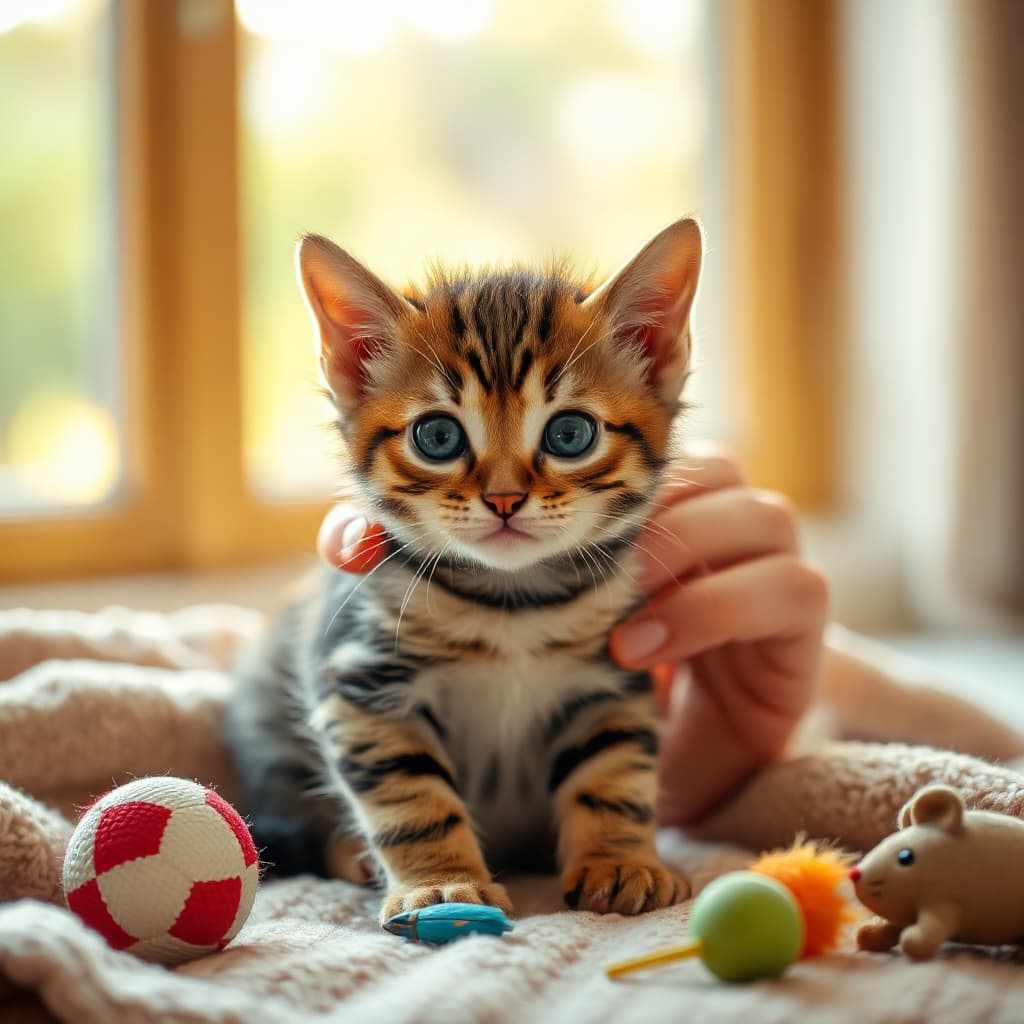
According to a groundbreaking study published in Animal Welfare journal, cats exhibit complex behavioral patterns that clearly demonstrate their sophisticated social and emotional capabilities. Researchers discovered that play in cats isn't just entertainment – it's a crucial indicator of their psychological well-being and a vital tool for building social relationships.
Key Research Findings:
Cats that engage in more play show significantly better welfare outcomes
Play behavior emerges most frequently when cats' basic needs are fully met
Social interactions have long-lasting effects on feline behavior patterns
Cats demonstrate the ability to recognize and respond to their owners' emotional states
Environmental enrichment directly correlates with improved emotional health
Decoding Your Cat's Emotional Expression
Body Language: The Silent Conversation
Your cat is constantly "talking" to you through subtle physical cues:
Tail position - upright signals confidence and happiness, while tucked under indicates fear or anxiety
Ear orientation - forward-facing ears show alertness and interest, flattened ears suggest distress
Eye contact - slow blinking is a "cat kiss" showing trust, while dilated pupils may indicate stress or excitement
Whisker position - forward whiskers show curiosity, pulled-back whiskers signal defensive behavior
Vocal Communication: More Than Just Meowing
Cats possess a remarkably diverse vocal repertoire:
Different meow tones for specific needs and situations
Purring as a sign of contentment (though also sometimes indicating pain)
Chirping and trilling as friendly greetings
Chattering when observing prey or showing frustration
Social Behaviors: The Hidden Community
Contrary to popular belief, cats are inherently social creatures:
They establish clear hierarchies in multi-cat households
Form genuine friendships and show preferences for certain companions
Demonstrate empathetic responses to sick or distressed family members
Engage in mutual grooming and play as bonding activities
Evidence-Based Tips for Better Cat Communication
Create an Enriching Environment
Mental stimulation is crucial for your cat's emotional health:
Rotate toys regularly - keep 3-4 toys available and switch them every few days
Provide vertical spaces - cats feel more secure when they can survey their territory from height
Interactive feeding - use puzzle feeders to engage their hunting instincts
Window perches - allow safe outdoor observation to satisfy curiosity
Recognize Stress Signals Early
Prevention is better than intervention. Watch for these warning signs:
Changes in eating patterns or appetite loss
Increased hiding or withdrawal from social interaction
Excessive grooming leading to bald patches
Litter box avoidance or inappropriate elimination
Aggressive behavior toward humans or other pets
Strengthen Your Human-Cat Bond
Building trust takes patience and consistency:
Daily interactive play sessions - minimum 15-20 minutes using wand toys
Respect personal space - never force physical contact
Maintain consistent routines - cats thrive on predictability
Use positive reinforcement - reward good behavior instead of punishing unwanted actions
Learn individual preferences - each cat has unique likes and dislikes
The Science Behind Feline Emotions
Neurological Evidence
Recent neuroscience research shows that cats possess brain structures similar to those responsible for emotions in humans:
Limbic system development comparable to other social mammals
Memory formation linked to emotional experiences
Stress hormone responses similar to anxiety patterns in humans
Behavioral Studies
Field observations reveal sophisticated social structures:
Colony formations in feral cat populations show complex social rules
Cooperative behaviors including shared kitten-rearing responsibilities
Communication protocols that maintain group harmony
Why This Matters for Cat Owners
Understanding your cat's complex nature can dramatically improve quality of life for both of you. When you recognize their emotional needs and social signals, you can:
Prevent behavioral problems before they develop into serious issues
Strengthen your relationship through better communication and understanding
Ensure optimal welfare by meeting their psychological as well as physical needs
Identify health issues earlier by recognizing behavioral changes that may indicate illness
Create a more harmonious home environment for all family members
Practical Applications in Daily Life
Morning Routine
Observe your cat's greeting behavior – it reveals their emotional state
Provide consistent feeding times to reduce anxiety
Allow for natural wake-up patterns when possible
Play and Interaction
Schedule regular play sessions during your cat's natural activity peaks
Use toys that mimic prey behavior for maximum engagement
End play sessions on a positive note to build anticipation
Evening Wind-Down
Create calming rituals that signal bedtime
Provide comfortable sleeping options in various locations
Respect their choice of sleeping companion (or solitude)
Looking Forward: The Future of Feline Science
As research continues to unveil the depths of feline intelligence and emotion, we're likely to discover even more fascinating aspects of cat behavior. This growing understanding will help us become better companions to our feline friends and advocates for their welfare.
Conclusion: Your Cat's Hidden Depths
The latest scientific evidence paints a clear picture: our feline companions are complex, emotionally rich beings with sophisticated social needs. They're not just beautiful accessories in our homes, but intelligent, feeling creatures with their own preferences, relationships, and personalities.
The next time you interact with your cat, take a moment to really observe their subtle communications. You might be surprised by how much they're trying to tell you about their inner world.
This article is based on scientific research published in Animal Welfare journal. For more information about the study, visit: https://doi.org/10.7120/09627286.31.4.005