Your Playful Cat is Telling You More Than You Think
Have you ever watched your cat stalking through the house with dilated pupils, pouncing on invisible prey, or launching themselves at their favorite toy? You might think they're just burning off energy. But science tells us something far more meaningful – your cat is actually showing you that they're genuinely happy and content.
The Scientific Foundation: Why Play Equals Well-being
According to groundbreaking research published in Animal Welfare, play behavior in domestic cats serves as one of the most reliable indicators of positive emotional states. Play occurs most frequently when an animal's fitness is not under threat and when immediate needs such as food, water, and adequate space are met.
This connection isn't coincidental. Play demands energy, attention, and a sense of security. A cat struggling for survival or experiencing stress simply cannot afford to "waste" energy on activities that aren't essential for survival.
What Evolution Tells Us
From an evolutionary perspective, cat play serves two primary functions:
Practicing hunting skills – simulating hunting scenarios prepares cats for real-life situations
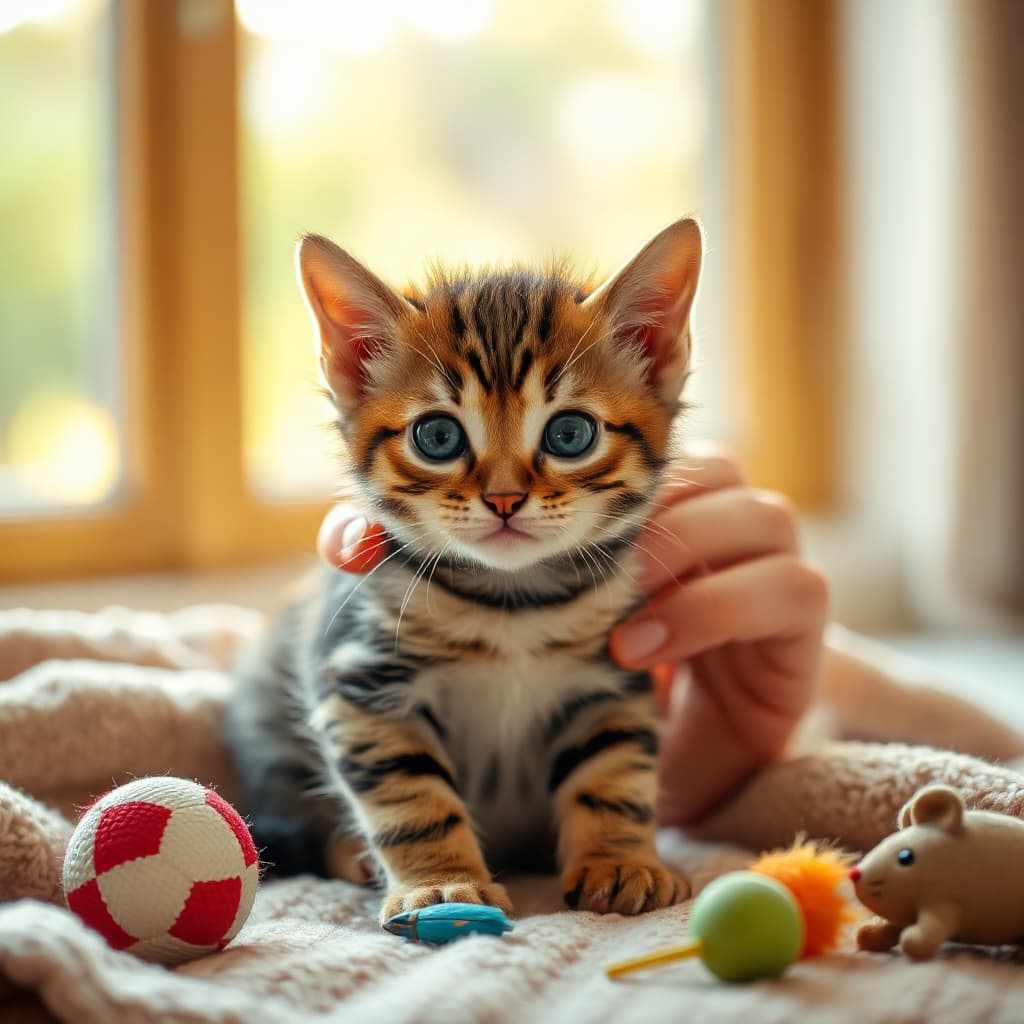
Social development – in kittens, play helps develop social bonds and communication abilities
Crucially, play only emerges when cats feel secure and have adequate resources. This makes it a natural barometer of emotional well-being.
How to Recognize When Your Cat is Playing from Contentment
Not all movement is genuine play. Scientific studies have identified specific characteristics that distinguish joyful play from other activities:
Characteristics of Healthy Play
Spontaneity and Voluntariness – cats initiate play independently, without external pressure
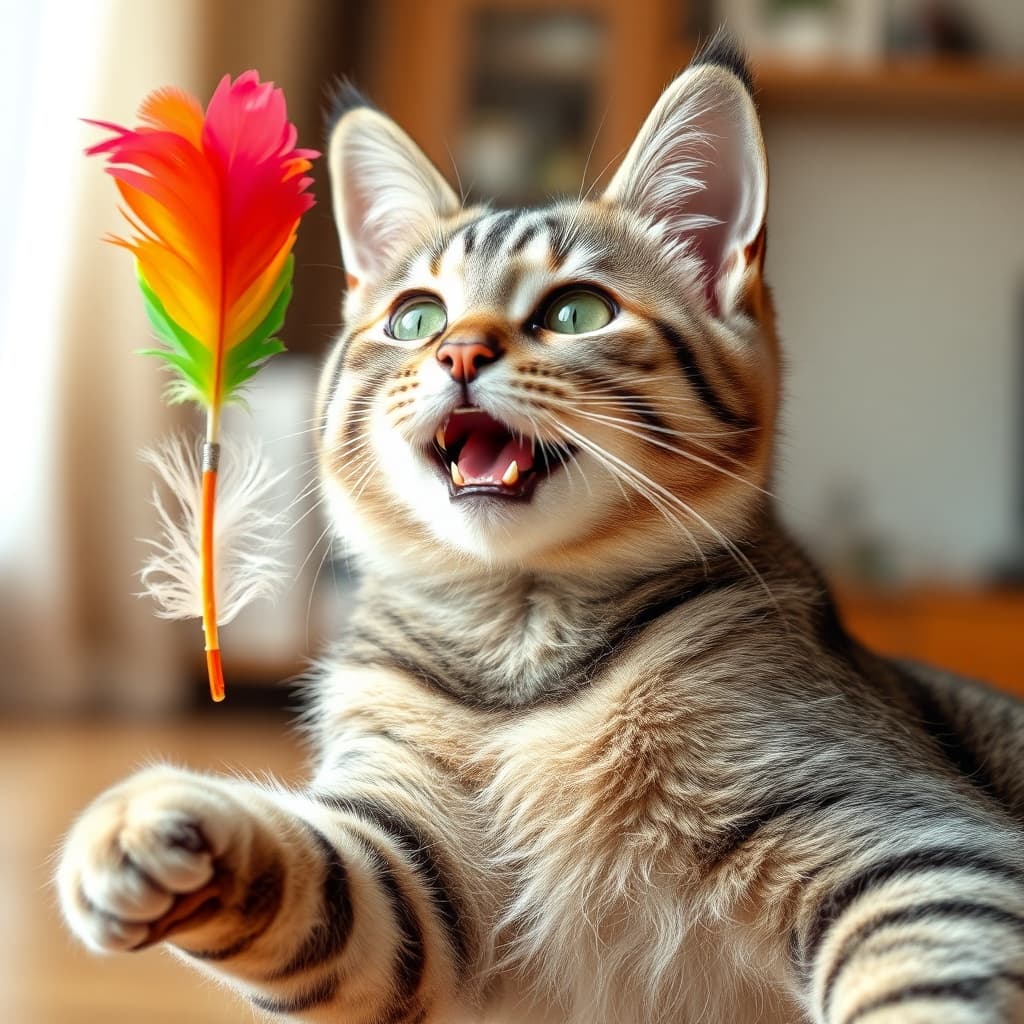
Exaggerated Movements – actions are dramatic and "theatrical," often featuring large leaps and dynamic positions
Activity Rotation – cats alternate between different play types (chasing, hiding, "attacking")
Positive Facial Expression – research shows humans can identify positive emotions from subtle feline facial expressions, though this requires practice
Repeated Return – cats consistently return to play activities, demonstrating genuine enjoyment
Warning Signs
Conversely, if your cat exhibits these behaviors, it may indicate stress rather than joy:
Rigid body posture
Constant hiding
Aggressive behavior without playful elements
Complete lack of interest in toys or interaction
Practical Tips: Supporting Healthy Play in Your Cat
Create a Stimulating Environment
Rotate Toys – don't leave all toys out constantly. Change them every 2-3 days to maintain your cat's interest.
Invest in Interactive Toys – toys that simulate prey behavior (movement, sounds) are most effective at triggering natural play responses.
Utilize Vertical Space – cats love heights. Shelves, cat trees, and elevated spaces support natural behaviors and provide play opportunities.
Timing is Everything
Cats have natural activity peaks, typically early morning and evening. Schedule play sessions during these times – your cat will be more receptive and play will be more intense.
Let Your Cat "Win"
During interactive play with wands or laser pointers, always allow your cat to catch the "prey" at the end. This satisfaction is crucial for their emotional well-being and prevents frustration.
Play as a Diagnostic Tool
Scientific insights suggest that changes in play behavior can serve as early indicators of problems. If you notice your previously playful cat suddenly losing interest in play, it might signal:
Health issues
Stress or anxiety
Depression
Inadequate environmental conditions
In such cases, consulting a veterinarian or feline behavior specialist is advisable.
The Social Aspect of Play
Recent research has also highlighted how play serves as a bridge between cats and humans. When cats engage in play with their owners, they're not just exercising – they're actively choosing to share a positive experience. This voluntary social interaction is a powerful indicator of the human-cat bond strength.
Multi-Cat Households
In homes with multiple cats, observe how they play together. Mutual play sessions indicate:
Reduced territorial stress
Positive social relationships
Adequate resources for all cats
Overall household harmony
Age and Play: What to Expect
Kittens (0-6 months) – Play is frequent and intense, serving crucial developmental functions
Young Adults (6 months-2 years) – High energy play with peak activity levels
Adults (2-7 years) – Consistent but more selective play preferences
Seniors (7+ years) – Play may decrease but should still occur regularly; sudden cessation warrants veterinary attention
Conclusion: Play as a Window into Feline Happiness
When you see your cat play, you can be confident of one thing – they're showing you they feel secure, content, and have enough resources to afford being playful. Play is the feline expression of joy.
This scientifically-backed understanding helps us better comprehend our feline companions and provides tools for ensuring the highest quality of life. Because a happy cat is a playful cat, and a playful cat is a gift to every owner.
By recognizing and supporting natural play behaviors, we not only enhance our cats' well-being but also strengthen the remarkable bond between human and feline – a relationship built on understanding, respect, and shared moments of pure joy.
This article is based on the scientific study "Play and welfare in domestic cats: Current knowledge and future directions" published in Animal Welfare (2022). DOI: https://doi.org/10.7120/09627286.31.4.005