The Mysterious Case of the Unresponsive Cat
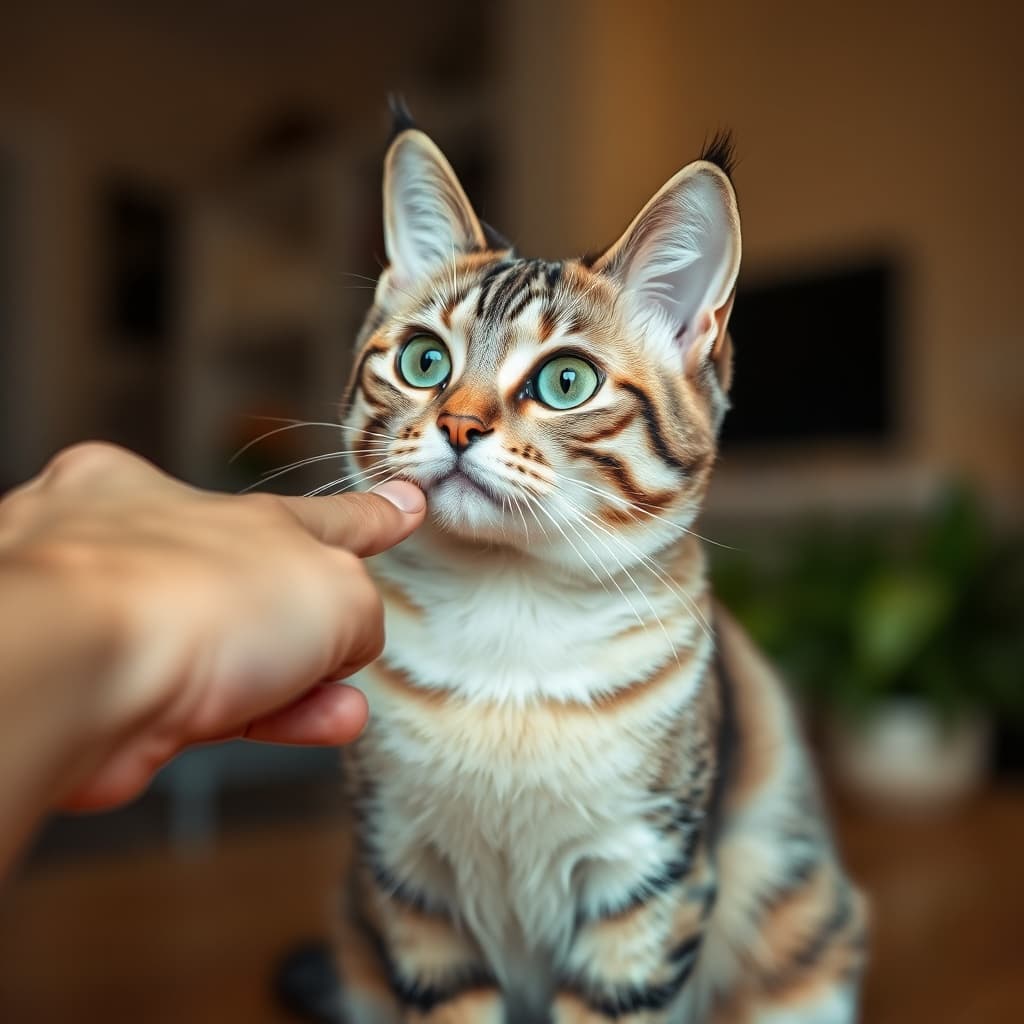
If you've ever tried to show your cat where their favorite toy is hiding, only to watch them stare blankly at your finger instead of following your pointing gesture, you're not alone. For years, cat owners have wondered whether their feline friends are simply being stubborn or if something deeper is at play.
Groundbreaking research published in Animal Cognition has finally provided answers, revealing that cats process human communicative signals in fundamentally different ways than dogs. These findings don't just explain your cat's seemingly aloof behavior—they revolutionize our understanding of feline cognition and communication.
The implications extend far beyond simple pointing gestures, offering insights into how cats think, learn, and interact with their human companions. What researchers discovered challenges everything we thought we knew about cat intelligence and social understanding.
The Science Behind the Study
Researchers Dr. Pongrácz and Onofer conducted a series of sophisticated experiments using A-not-B error tests, a well-established method in cognitive psychology for measuring problem-solving abilities and social signal comprehension.
The Experimental Setup
The study involved hiding food in two different bowls, initially always placing it in bowl A, then switching to bowl B. The crucial element was how humans communicated this change:
Ostensive communication: Direct eye contact, speaking in an engaging tone, clear pointing gestures
Non-ostensive communication: No eye contact, mechanical movements, neutral behavior
Researchers also tested whether cats responded differently to familiar versus unfamiliar human demonstrators, expecting to see variation based on the human-cat relationship strength.
Revolutionary Findings: Cats Think Differently
The results were nothing short of extraordinary. Cats demonstrated an almost completely opposite pattern of errors compared to dogs and human children. This discovery challenges fundamental assumptions about animal cognition and social learning.
Key Differences Discovered:
Dogs and Young Children:
Heavily rely on ostensive human signals (eye contact, vocal cues)
Show strong "perseverative errors" - continuing to search in the original location even after seeing the switch
Demonstrate strong preference for familiar human demonstrators
Cats:
Showed remarkable independence from human ostensive signals
Displayed greater cognitive flexibility in adapting to changes
No significant preference for familiar versus unfamiliar humans
Less likely to get "stuck" on previously learned locations
What This Means for Cat Intelligence
Contrary to popular belief, these findings suggest that cats possess a different type of intelligence, not an inferior one. Their apparent indifference to human pointing gestures reflects an evolutionary adaptation rather than a cognitive limitation.
The Evolutionary Perspective
Dr. Turner's research on cat-human social interactions provides crucial context for understanding these differences. The evolutionary paths of cats and dogs diverged significantly during domestication:
Dogs: Selectively bred for cooperation with humans, pack hunting, and following human commands
Cats: Retained their natural solitary hunting instincts and independence, domesticating themselves primarily for mutual benefit rather than subservience
Natural Behavioral Patterns
Solitary hunters: Cats evolved to rely on their own senses rather than social cues
Independent survival: Less dependent on human guidance for basic survival
Flexible problem-solving: Adapted to changing environments without group coordination
This evolutionary background explains why cats approach problem-solving with such independence and why they're less influenced by human social signals.
Practical Implications for Cat Owners
1. Adjust Your Communication Style
Instead of relying on pointing gestures, try these cat-friendly communication methods:
Tapping or touching the target location
Sound cues: Light tapping, rustling, or clicking sounds
Scent trails: Rub objects with your hands to leave familiar scents
Visual movement: Use toys or objects to guide attention
2. Respect Their Independent Nature
Understanding that your cat processes information differently can transform your relationship:
Create engaging environments rather than giving direct commands
Allow exploration - cats learn better through independent investigation
Reward natural behaviors instead of trying to force specific responses
3. Recognize Individual Variations
While the research shows general patterns, individual cats may vary significantly:
Some cats may be more responsive to human cues than others
Early socialization can influence communication preferences
Age, breed, and personality all play roles in communication styles
4. Build Trust Through Consistency
Since cats don't distinguish strongly between familiar and unfamiliar humans in these contexts, focus on:
Consistent interaction patterns
Positive associations with training and communication
Patience with their learning process
Implications for Cat Training and Behavior
These findings revolutionize how we should approach cat training and behavior modification:
Traditional Training Myths Debunked
Myth: Cats can't be trained because they're stubborn
Reality: Cats learn differently and need training methods that respect their cognitive style
Myth: Cats don't understand human communication
Reality: Cats process human signals through their own evolutionary framework
New Training Approaches
Environmental manipulation rather than direct commands
Choice-based training that allows cats to participate voluntarily
Multi-sensory communication incorporating touch, sound, and scent
Future Research Directions
This groundbreaking study opens numerous avenues for future research:
Investigation of breed-specific differences in human signal processing
Longitudinal studies on how early socialization affects communication abilities
Comparison between indoor and outdoor cats' social signal processing
Development of cat-specific training and communication protocols
The Bigger Picture: Celebrating Feline Uniqueness
Perhaps the most important takeaway from this research is that cats aren't broken dogs. They're sophisticated creatures with their own evolutionary adaptations and cognitive strengths. Their independence from human social signals isn't defiance—it's a feature, not a bug.
Appreciating Cat Intelligence
Instead of measuring cat intelligence against dog standards, we should appreciate:
Their problem-solving flexibility
Their sensory sophistication
Their independent decision-making abilities
Their adaptive learning strategies
Conclusion: A New Understanding
This research fundamentally changes how we should view and interact with our feline companions. Rather than expecting dog-like responses to human gestures, we can now appreciate the sophisticated, independent cognitive processes that make cats unique.
Your cat's failure to follow your pointing finger isn't stubbornness or stupidity—it's evidence of a beautifully adapted mind that evolved to think independently. By understanding and respecting these differences, we can build stronger, more meaningful relationships with our feline friends.
The next time your cat ignores your pointing gesture, remember: they're not being difficult. They're being perfectly, wonderfully cat-like.
Reference: Pongrácz P, Onofer DL. Cats show an unexpected pattern of response to human ostensive cues in a series of A-not-B error tests. Anim Cogn. 2020. DOI: 10.1007/s10071-020-01373-4. Available at: https://pubmed.ncbi.nlm.nih.gov/32227273/