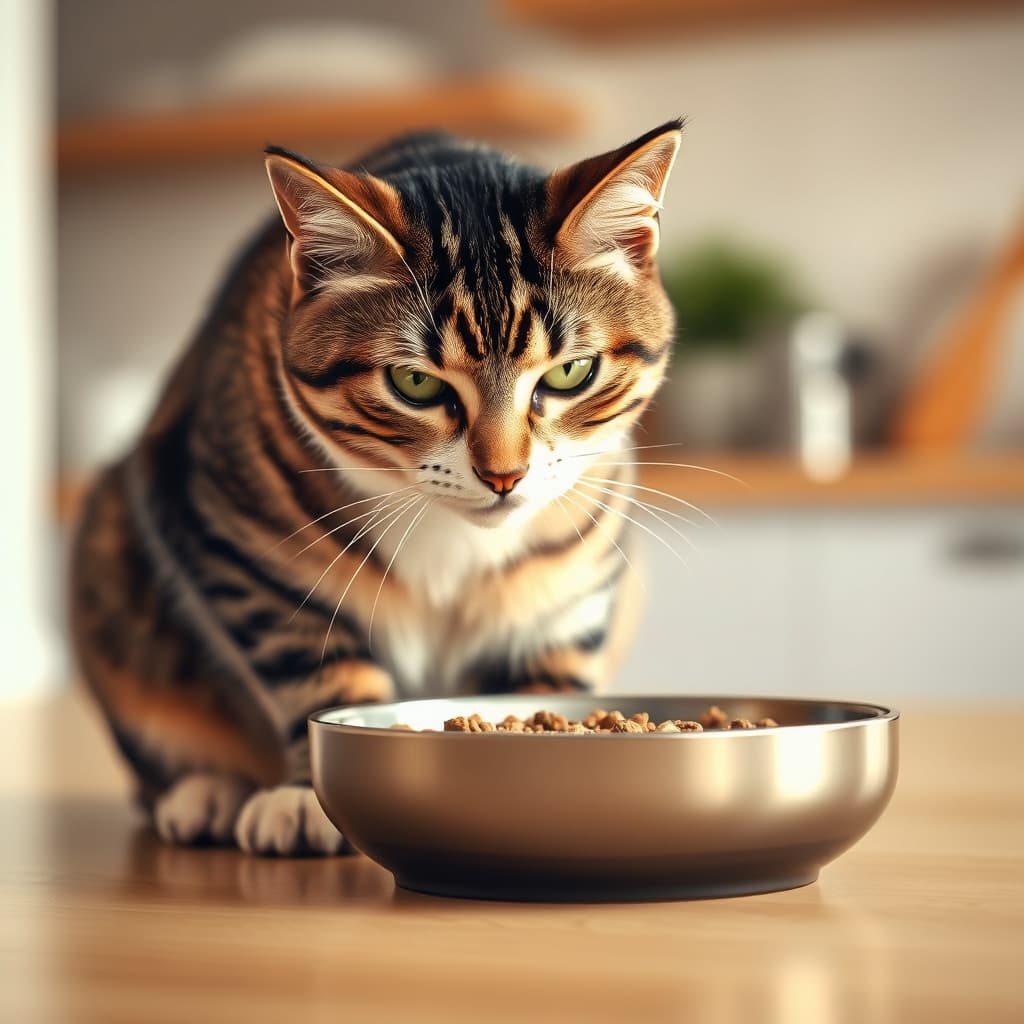
Your Cat Is Not a Small Dog - It's a True Predator
If you've ever wondered why your cat demands food at exactly midnight or acts like they're starving just hours after eating, there's a scientific explanation. Cats are obligate carnivores - meaning their metabolism is designed exclusively to process animal protein.
Unlike dogs, which evolved as omnivores and can adapt to various diets, cats have remained true predators with zero evolutionary pressure to change their dietary needs.
What Science Reveals About Feline Feeding Patterns
A comprehensive study published in the British Journal of Nutrition analyzed the feeding habits of free-ranging cats and found these natural predators consume 55 different prey species. Their natural diet composition is:
52% protein from animal sources
46% fat for energy
Only 2% carbohydrates (essentially none)
This composition represents millions of years of evolution. Your house cat has identical metabolic requirements to their wild cousins.
Why Exactly 12 Hours?
Cat metabolism is extraordinarily fast. Unlike dogs that can utilize plant proteins and have slower metabolic rates, cats:
Burn amino acids from meat continuously throughout the day
Cannot "turn off" protein breakdown
Require constant replenishment of essential amino acids
Have limited ability to store amino acids for later use
The Critical Role of Taurine and Methionine
One of the most critical compounds for cats is taurine - an amino acid found exclusively in animal tissues. Cats cannot synthesize sufficient amounts, making dietary intake essential.
Taurine deficiency leads to:
Heart disease (dilated cardiomyopathy)
Retinal degeneration and blindness
Reproductive issues
Compromised immune system
Methionine is another crucial amino acid. Research from 2023 demonstrated that cats with methionine deficiency show behavioral changes and altered food intake within hours.
Evidence-Based Feeding Guidelines for Cat Owners
Optimal Feeding Frequency
Feed your cat 2-3 times daily with 8-12 hour intervals. Here's why:
Maintains stable blood amino acid levels
Prevents overeating and vomiting
Mimics natural hunting patterns
Reduces stress-related behaviors
Food Quality Matters
Choose foods that:
List meat as the first ingredient
Contain minimum 30% protein
Are supplemented with taurine (minimum 0.1%)
Have low grain content
Recognizing Hunger Signals
Cats communicate their nutritional needs through:
Increased vocalization
Following their owner
"Kneading" near food bowls
Heightened activity around feeding times
These aren't just learned behaviors - they're biological imperatives driven by amino acid depletion.
Common Feeding Mistakes to Avoid
Never Feed Only Once Daily
Single daily feeding is metabolically stressful for cats. Their fast metabolism cannot handle it, leading to:
Overeating and subsequent vomiting
Hypoglycemia (low blood sugar)
Increased stress and potential aggression
Suboptimal nutrient utilization
Beware of Plant-Based Proteins
Cats cannot efficiently process plant proteins. High-grain foods can cause:
Digestive issues
Essential amino acid deficiencies
Long-term health complications
Behavioral problems related to malnutrition
The Behavioral Connection
Recent research on feline feeding behavior reveals that proper nutrition timing directly affects mental well-being. Cats fed on appropriate schedules show:
Reduced anxiety behaviors
Better social interactions
Improved cognitive function
More natural activity patterns
Food Puzzles and Enrichment
Consider incorporating food puzzles to:
Slow down eating
Provide mental stimulation
Mimic natural hunting behaviors
Extend the feeding experience
Multi-Cat Households: Special Considerations
In homes with multiple cats, proper feeding becomes more complex:
Separate feeding stations prevent competition
Timed feeding ensures each cat gets adequate nutrition
Monitor individual intake to identify health issues early
Consider different dietary needs based on age and health
Conclusion: Honoring Your Cat's Evolutionary Heritage
Your cat isn't being dramatic when they beg for food every few hours - they're following biological imperatives refined over millions of years. Their bodies are designed for regular intake of meat proteins, and respecting these needs leads to healthier, happier cats.
Understanding that cats are perfectly tuned predators with metabolisms operating according to precise evolutionary rules helps us provide better care. The closer we align with their natural needs, the better their quality of life.
Remember: what might seem like demanding behavior is actually your cat's way of telling you their body needs specific nutrients to function optimally.
This article is based on peer-reviewed research published in the British Journal of Nutrition and other scientific sources available on PubMed (PMC3096239, PMC8791387).