Your Cat Isn't Picky - They're Surviving!
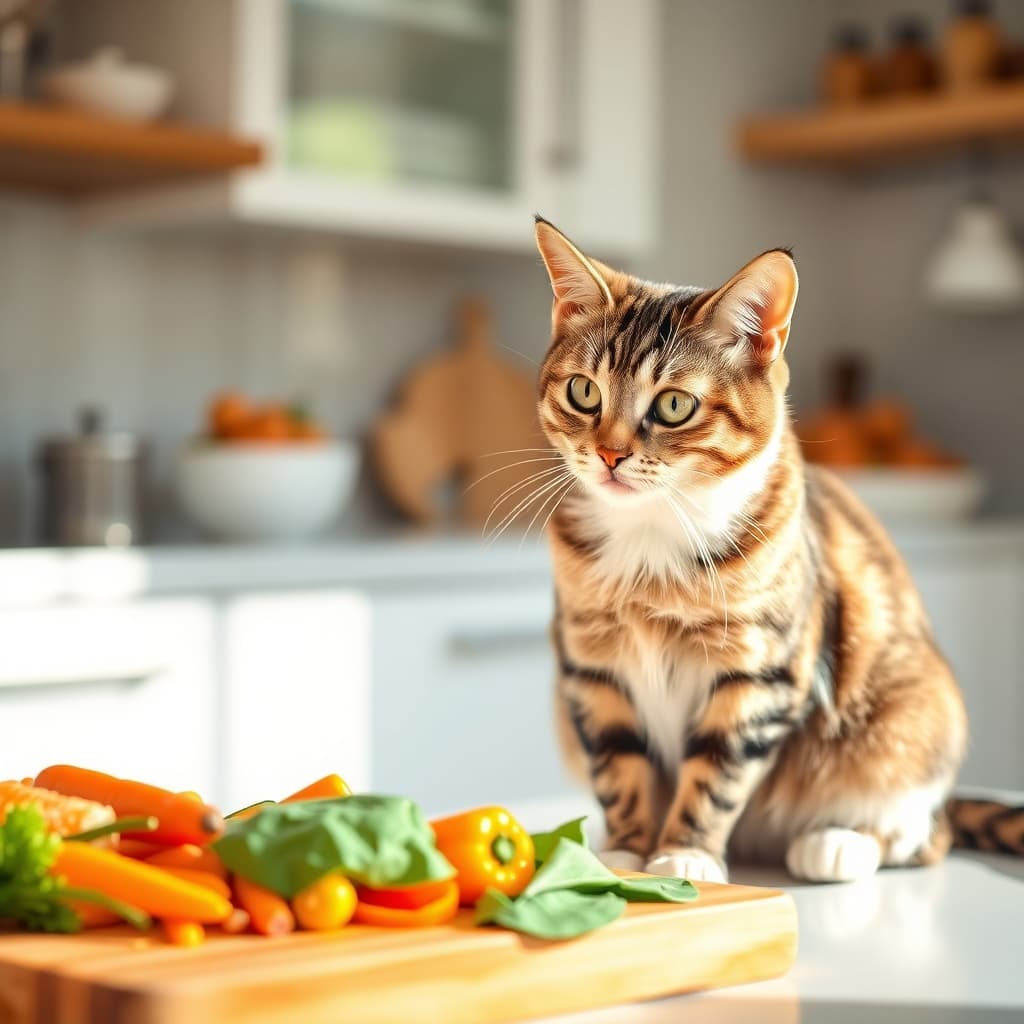
You've probably noticed how your cat completely ignores the vegetables you offer but lights up at the sight of a piece of chicken. This isn't just pickiness - it's evolutionary necessity! Cats belong to the group of obligate carnivores, meaning meat isn't just their favorite treat, but literally a life-sustaining dependency.
What Makes Cats Obligate Carnivores?
Unique Metabolic Requirements
Unlike dogs, which have adapted to omnivorous diets containing both taurine-rich meat and starch-rich plant ingredients, domestic cats must consume animal-sourced foods for survival, growth, and development.
According to the latest scientific studies published in 2024, cats have several critical metabolic limitations:
Limited ability to synthesize arginine - this amino acid is essential for proper immune system function
Need for vitamin D3 from external sources - unlike humans, cats cannot produce sufficient amounts
Dependence on taurine - an amino acid found exclusively in animal tissues
Why Plant-Based Diets Don't Work
While cats can synthesize vitamin C and many amino acids (such as alanine, asparagine, aspartate, glutamate, glutamine, glycine, proline, and serine), they lack the enzymatic equipment to efficiently process plant proteins and obtain all essential nutrients from them.
Essential Nutrients Cats Get Only From Meat
Taurine - A Life-Critical Amino Acid
Taurine is perhaps the most well-known nutrient that cats require from meat. Taurine deficiency can lead to:
Dilated cardiomyopathy (heart disease)
Retinal degeneration and blindness
Reproductive problems
Impaired immune function
Arginine and Fat Metabolism
Scientific studies have shown that cats have unique fat metabolism. In experimental feline hepatic lipidosis (fat accumulation in the liver), research demonstrated that L-carnitine supplementation from meat protects cats from ketosis - a potentially dangerous condition.
Vitamin A in Active Form
Unlike other animals, cats cannot convert beta-carotene from plants into vitamin A. They need pre-formed vitamin A from animal tissues, particularly from liver.
Evolutionary Background of Carnivory
Fossil records from the order Carnivora extend back at least 60 million years and document a remarkable history of adaptive radiation. Cats have evolved hypercarnivorous morphology - body structure adapted exclusively for meat-based diets.
Their dental formula, digestive tract, and metabolism are all tuned for efficient processing of animal proteins and fats. The short digestive tract of cats is perfectly adapted for rapid meat digestion but is inefficient at processing plant materials.
Evidence-Based Feeding Guidelines
Recent Research Findings
A comprehensive 2021 study examining vegan versus meat-based pet foods found significant differences in palatability behaviors and welfare implications. Cats showed markedly better behavioral indicators when fed meat-based diets compared to plant-based alternatives.
Research on energy requirements has also revealed that cats have varying needs based on:
Body condition and predisposition to weight gain
Life stage requirements (the 2021 AAHA/AAFP guidelines now recognize five distinct life stages)
Individual metabolic differences
Practical Advice for Cat Owners
Choosing the Right Food
Always check the first ingredients - meat should be listed first
Avoid foods high in cereals - cats cannot efficiently utilize them
Look for taurine-supplemented foods - this is mandatory in quality cat foods
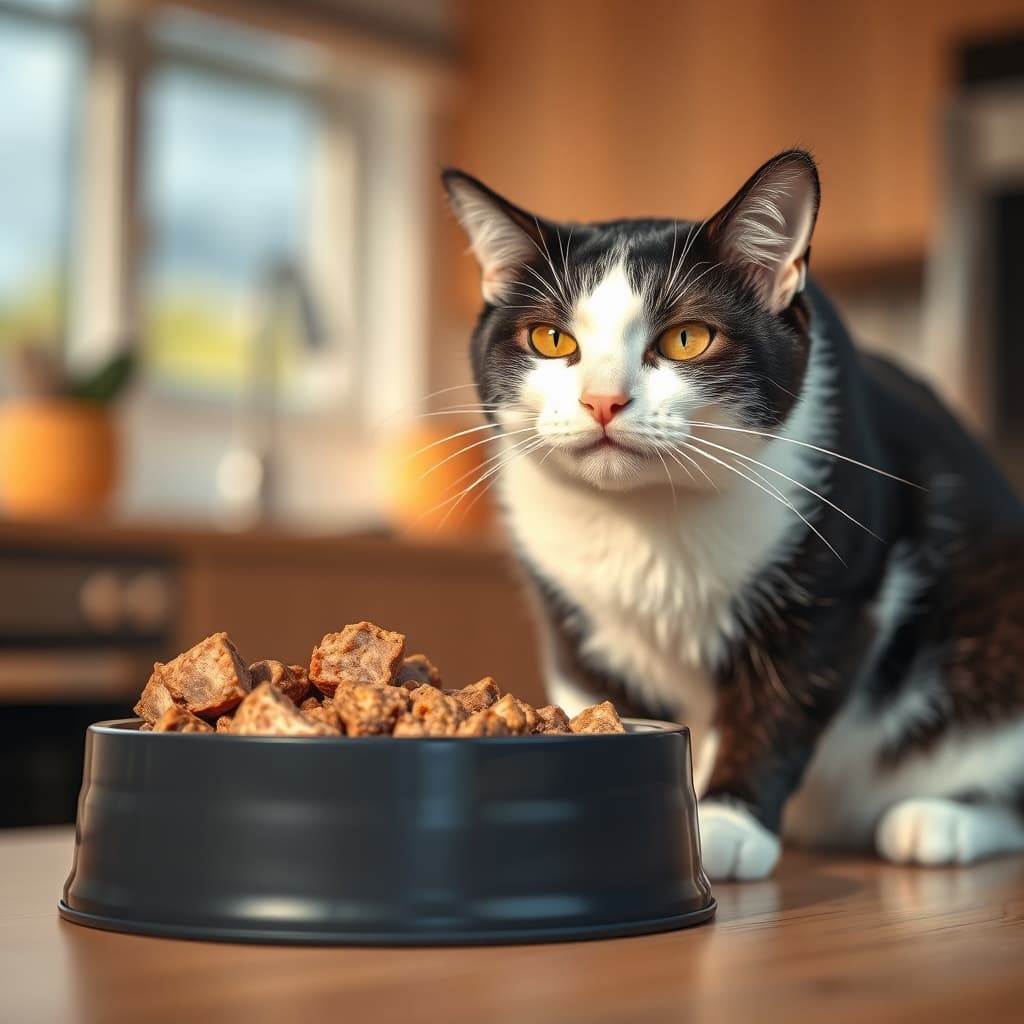
Consider wet food - it better mimics natural prey
Monitoring Your Cat's Nutrition
Energy needs vary by age, activity, and obesity predisposition
Young cats need more energy for growth
Spayed/neutered cats often have lower energy requirements
Feeding regularity matters more than portion size
Warning Signs of Poor Nutrition
Loss of energy and lethargy
Dull coat
Digestive problems
Loss of appetite
Vision problems (may indicate taurine deficiency)
Debunking Alternative Diet Myths
While vegan cat foods have appeared on the market, scientific evidence clearly shows such diets may compromise feline health. Comparative studies between vegan and meat-based foods demonstrated that cats have significantly better behavioral and health indicators on meat-based diets.
The Palatability Factor
Research involving over 4,000 cat guardians revealed that palatability behaviors strongly favor meat-based diets. This isn't just preference - it's biological programming that guides cats toward foods that will keep them healthy.
Understanding Feline Life Stages
The latest veterinary guidelines recognize that nutritional needs change throughout a cat's life. The five-stage life approach considers:
Kitten stage - highest energy and protein requirements
Young adult - establishing optimal body condition
Mature adult - maintaining health and preventing obesity
Senior - adapting to changing metabolism
Geriatric - managing age-related health conditions
The Science Behind Carnivorous Evolution
The repeated evolution of cat-like hypercarnivores throughout the 60-million-year history of carnivorous mammals demonstrates that this feeding strategy is highly successful. Cats represent one of nature's most refined predatory designs, with every aspect of their biology optimized for meat consumption.
Conclusion: Honor Your Cat's Nature
Your cat isn't a small dog or a tiny human. They are perfectly tuned predators with unique nutritional requirements. Understanding their status as obligate carnivores will help you provide them with a long, healthy life.
Remember: when you provide your cat with quality meat-based food, you're not spoiling them - you're giving them what millions of years of evolution designed them to need.
This article is based on peer-reviewed studies published in PubMed, including recent research by Li P. and Wu G. (2024) on characteristics of nutrition and metabolism in dogs and cats. Always consult with your veterinarian regarding the optimal diet for your individual cat.