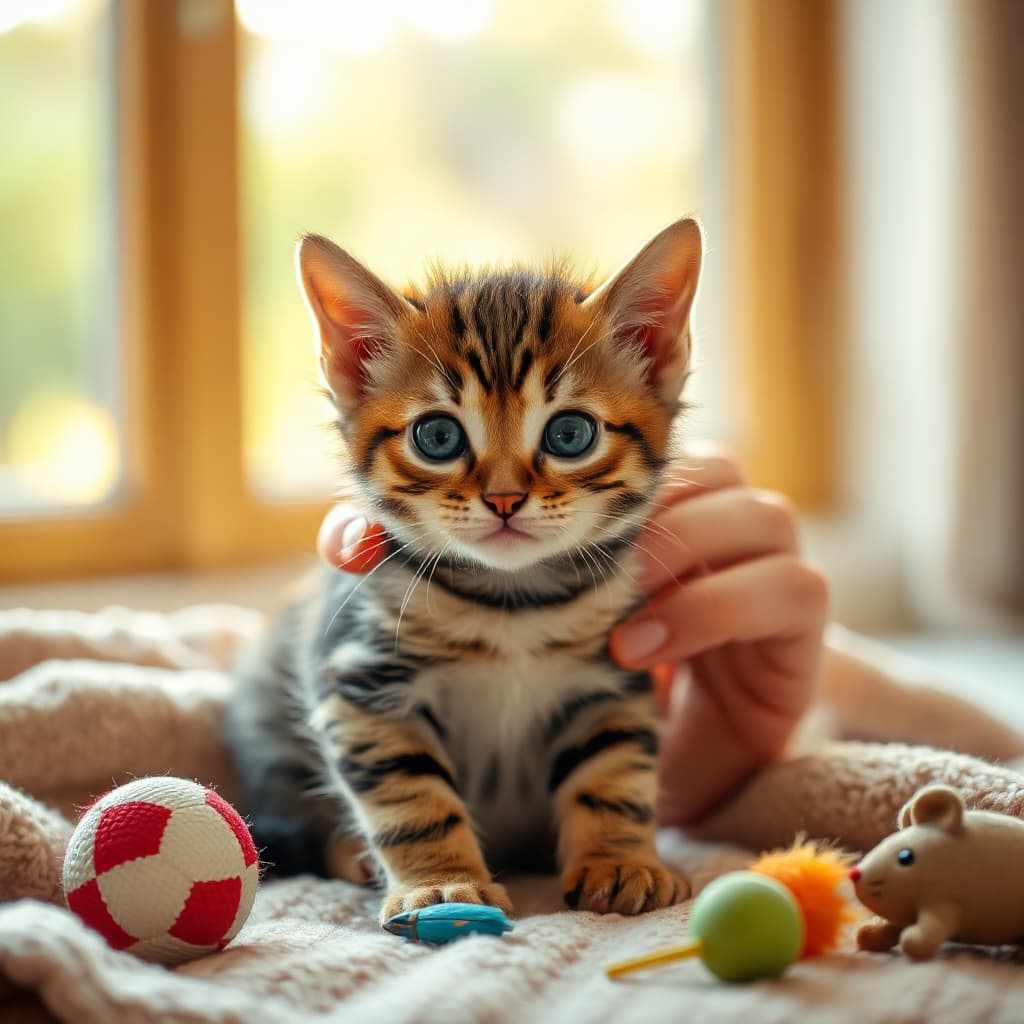
Play Isn't Just Fun – It's a Life Necessity
When you watch your cat chase a feather wand or pounce on a toy mouse, you might think they're simply having fun. But scientists have long discovered that play is much more than entertainment for cats – it's a fundamental building block of their mental health.
Recent scientific research reveals that play functions as both an indicator and promoter of welfare in domestic cats. This means we can not only recognize how a cat feels through their play behavior, but play itself actively improves their psychological state.
What Science Tells Us About Play and Feline Mental Health
According to a recent study published in Animal Welfare journal, play is most frequently exhibited when a cat's fitness is not under threat and when their immediate needs – food, water, and adequate space – are met. It serves as a natural barometer of wellbeing.
Fascinating research shows that cats who play more also demonstrate better overall welfare outcomes. This leads us to conclude that play isn't merely a consequence of good mental health, but actively promotes it.
Play as an Anti-Stress Mechanism
When cats play, their brains release endorphins – the same "feel-good hormones" humans experience during exercise. This neurochemical process helps:
Reduce cortisol (stress hormone) levels
Improve mood and overall wellbeing
Support healthy sleep patterns
Maintain mental agility and cognitive function
Recognizing When Your Cat Needs More Play
Scientific studies have shown that humans can identify cats' emotional states from subtle facial expressions, though not always accurately. Learning to read your cat's signals can be crucial for recognizing their needs.
Signs of Insufficient Mental Stimulation:
Excessive sleeping (more than 16-18 hours daily)
Destructive behavior (furniture scratching, knocking items over)
Changes in eating patterns (stress eating or appetite loss)
Excessive vocalization
Lethargy and disinterest in surroundings
Signs of a Well-Stimulated Cat:
Healthy balance of activity and rest
Curiosity toward new stimuli
Playful behavior continuing into adulthood
Stable mood
Good social interactions
Practical Guidelines: Ensuring Your Cat Gets Adequate Play
1. Understand Your Cat's Natural Needs
Cats are natural predators, so the best play mimics hunting behavior. Ideal play should include:
Stalking
Chasing
Pouncing
"Killing" prey
2. Establish a Play Routine
Consistency is crucial. Try implementing 2-3 short play sessions daily:
Morning before meals (5-10 minutes)
Afternoon break (10-15 minutes)
Evening before bedtime (5-10 minutes)
3. Use Appropriate Toys
Interactive toys work best:
Feather wands or fishing rod toys
Laser pointers (always end with a physical toy the cat can "catch")
Toys infused with catnip or valerian
Food puzzle toys
Motorized mice or balls
4. Rotate Toys Regularly
Cats bore easily, so rotate toys every 3-4 days. Store some toys and regularly swap them with current ones. This keeps toys novel and interesting.
5. Create an Enriching Environment
Multi-level spaces: shelves, cat trees, hiding spots
Window perches: allow outdoor observation
Variety of textures: different surfaces for scratching and resting
Hiding spots: boxes, tunnels, cat caves
Age-Specific Play Requirements
Kittens (2-6 months)
Need 6-8 short play sessions daily
Gentle toys appropriate for small teeth
Social play with littermates when possible
Focus on exploration and discovery
Adult Cats (6 months - 7 years)
2-3 more intensive play sessions daily
Varied play types to maintain interest
Combination of physical and mental stimulation
Challenging puzzle toys
Senior Cats (7+ years)
Gentler but consistent play
Shorter sessions but more frequent
Puzzle toys to maintain mental sharpness
Adapted toys for reduced mobility
The Science Behind Play and Welfare Connection
Research in animal welfare science has identified play as a positive welfare indicator – meaning its presence suggests good mental health, while its absence may indicate problems. This connection exists because:
Play requires surplus energy and emotional resources. Animals under stress or with unmet basic needs rarely engage in play behavior.
Play promotes neuroplasticity – the brain's ability to form new neural connections, which is crucial for adaptability and mental health.
Play reduces stereotypic behaviors – repetitive, purposeless actions that often indicate psychological distress in captive animals.
Play as Investment in Future Health
Regular play isn't just about immediate entertainment. It's an investment in your cat's long-term health. Cats with adequate mental and physical stimulation:
Experience fewer behavioral problems
Maintain stronger immune systems
Keep healthier body weight
Show reduced risk of depression and anxiety
Live longer, higher-quality lives on average
Creating the Perfect Play Environment
Indoor Enrichment Strategies
Vertical Territory: Cats naturally seek high vantage points. Provide:
Cat trees with multiple levels
Wall-mounted shelves
Tall scratching posts
Sensory Stimulation:
Different textures (carpet, sisal, cardboard)
Various scents (cat-safe plants, herbs)
Sounds (crinkly toys, bells)
Hunting Simulation:
Hide treats around the house
Use food-dispensing toys
Create "prey" with different movement patterns
When Play Indicates Problems
While increased play generally indicates good welfare, sudden changes in play behavior can signal issues:
Sudden decrease in play: May indicate illness, pain, or depression
Overly aggressive play: Could suggest frustration or redirected hunting instincts
Compulsive play: Rarely occurs but may indicate anxiety disorders
Conclusion: Every Minute of Play Counts
As cutting-edge research demonstrates, play is a psychological necessity for cats, not a luxury. Just 10-15 minutes of quality play daily can dramatically improve your cat's mental health and overall wellbeing.
Remember: a happy cat is a playful cat, but the reverse is equally true – a playful cat is a happy cat. Investing time in play is one of the best things you can do for your feline companion's mental health.
By understanding the science behind play and implementing evidence-based enrichment strategies, you're not just entertaining your cat – you're actively contributing to their psychological wellness and quality of life.
Scientific Reference: Henning, J., Fernández, E. J., Nielsen, T. et al. (2022). Play and welfare in domestic cats: Current knowledge and future directions. Animal Welfare, 31(4). https://doi.org/10.7120/09627286.31.4.005