Has Your Senior Cat Been Sleeping More Lately?
If you share your home with an older cat, you've probably noticed some changes in their behavior. Perhaps they're sleeping longer, responding more slowly to your calls, or seem a bit "out of it" at times. You're not alone in these observations – these changes are completely normal and have fascinating scientific explanations.
A groundbreaking study published in the Journal of the American Veterinary Medical Association reveals compelling connections between feline aging and changes in sleep patterns and cognitive abilities. Let's explore together what happens in the bodies and minds of our furry companions as they age.
What Happens in an Aging Cat's Brain
Aging isn't just about gray whiskers and slower movement. It's a complex process involving accumulating cellular damage throughout the body. As research demonstrates, aging is a continuous process where an animal's biological ability to resist, react to, and recover from environmental stressors declines.
In cats, similar to humans, brain structure changes during aging. Brain cells regenerate more slowly, communication between neurons becomes less efficient, and overall information processing slows down.
Changes in Sleep Cycles
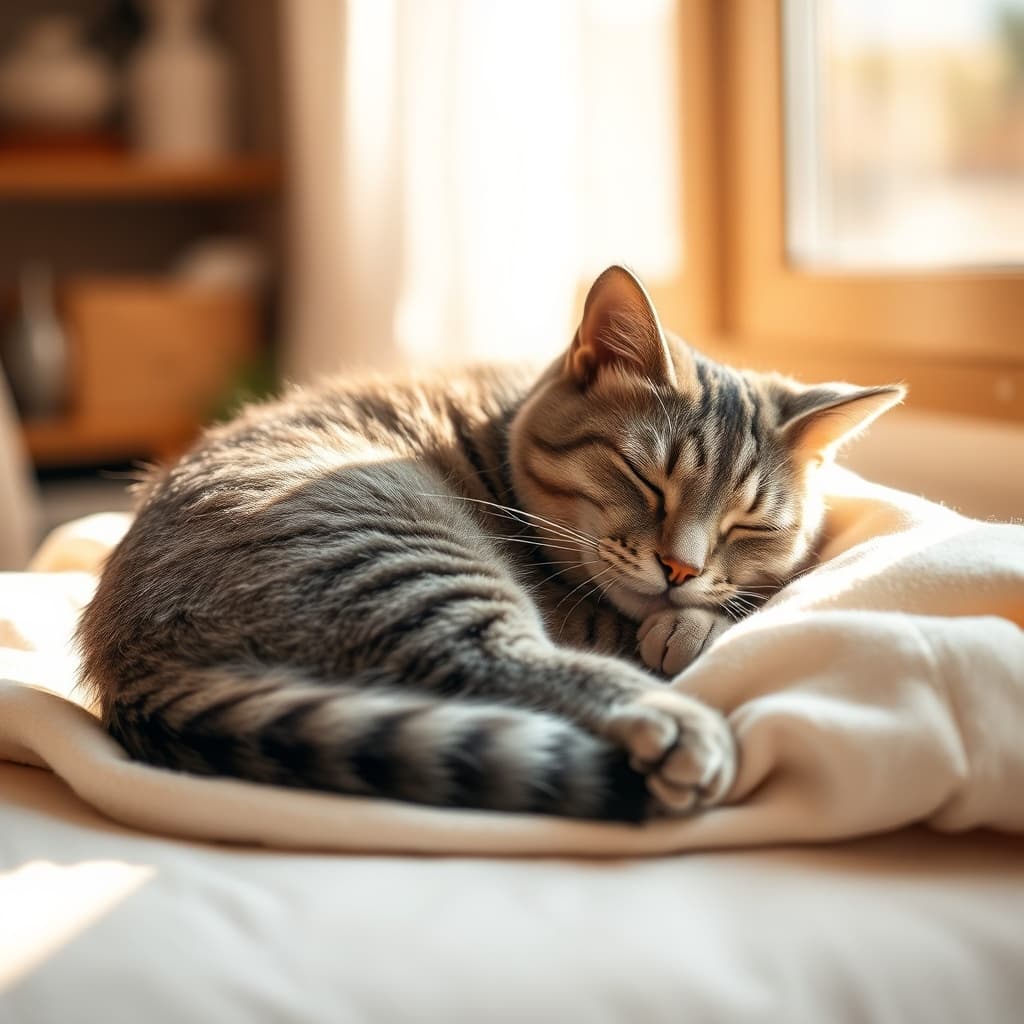
Cats are naturally very sleepy animals – a healthy adult cat sleeps 12-16 hours daily. However, senior cats may sleep up to 20 hours per day. This isn't just laziness – it's a biological necessity.
During deep sleep, the brain clears toxic substances that accumulate during waking hours. In older cats, this process takes longer and is less efficient, requiring more rest.
Cognitive Changes - When Cats "Forget"
Similar to humans, cats can suffer from something resembling Alzheimer's disease. Veterinarians call this Feline Cognitive Dysfunction or "kitty dementia."
Signs of Cognitive Dysfunction:
Disorientation in familiar environments
Changes in sleep patterns (daytime sleeping, nighttime activity)
Altered social behavior
Litter box problems
Excessive vocalization, especially at night
Loss of interest in play or activities
Scientific research shows that up to 50% of cats older than 15 years exhibit some signs of cognitive dysfunction. However, this isn't inevitable – proper care can slow these changes.
The Physiology of Aging: What's Happening Under the Hood
Aging affects all body systems in cats. According to research, hormone production changes, the immune system weakens, and physiological processes alter in response to accumulating cellular damage.
Key Changes:
Melatonin: Production of this "sleep hormone" changes, affecting circadian rhythms
Neurotransmitters: Decreased production of dopamine and serotonin, affecting mood and cognition
Antioxidants: The body produces fewer natural antioxidants, leading to faster cellular damage
Practical Tips for Senior Cat Owners
1. Adapt the Environment
Place multiple litter boxes throughout the house
Ensure easily accessible sleeping areas
Use night lights for better navigation
Eliminate unnecessary noise and stress
2. Stimulate the Brain
Puzzle feeders: Help maintain cognitive function
Regular, gentle play
New scents and textures to explore
Interactive feeding toys that slow eating
3. Monitor Health
Regular veterinary checkups (minimum twice yearly)
Track weight and eating habits
Observe behavioral changes
Address health issues promptly
4. Quality Nutrition
Research suggests that antioxidants, omega-3 fatty acids, and specific nutrients may support cognitive health in senior cats. Consult your veterinarian about appropriate senior diets.
When to Seek Veterinary Help
Not all changes represent normal aging. Seek veterinary care if you notice:
Sudden behavioral changes
Loss of orientation in familiar spaces
Excessive nighttime vocalization
Movement or coordination problems
Changes in eating or drinking
Aggression or anxiety
Hope for the Future
The good news is that aging is a modifiable process. As the latest research states, insufficient understanding of healthy aging means missed opportunities to alter the trajectory of health span and maintain overall quality of life.
With proper care, nutrition, and veterinary support, we can help our senior cats maintain quality of life and slow cognitive decline. The key is early recognition of changes and a proactive approach to care.
Supporting Your Senior Cat's Golden Years
Understanding that aging affects sleep and cognition helps us become better cat parents. Environmental enrichment, mental stimulation, and maintaining routines can significantly impact your senior cat's wellbeing.
Consider creating a "senior-friendly" home:
Comfortable, warm sleeping areas
Easy access to food, water, and litter boxes
Gentle exercise opportunities
Consistent daily routines
Regular social interaction
Remember – your senior cat deserves the same quality of life they enjoyed in their youth. With a little understanding and adaptation, their golden years can be peaceful and happy.
Reference: Moniot, D., Allaway, D., Bermingham, E.N., et al. (2025). Aging is modifiable: current perspectives on healthy aging in companion dogs and cats. Journal of the American Veterinary Medical Association. PubMed: https://pubmed.ncbi.nlm.nih.gov/41038235/